
Discovering the Iconic Shoebill in Uganda
Uganda, often referred to as the “Pearl of Africa,” is renowned for its breathtaking wildlife, lush landscapes, and rich cultural heritage. Among the many species that draw travelers from around the globe, the shoebill stork stands out as one of the most extraordinary. Known for its massive shoe-shaped bill and statuesque presence, this bird is not only a wonder of nature but also a highly sought-after sight for birdwatchers and wildlife enthusiasts. The iconic shoebill has become a symbol of Uganda’s natural treasures, attracting visitors who long for an up-close experience with one of the world’s most unique avian creatures.
Understanding the Shoebill
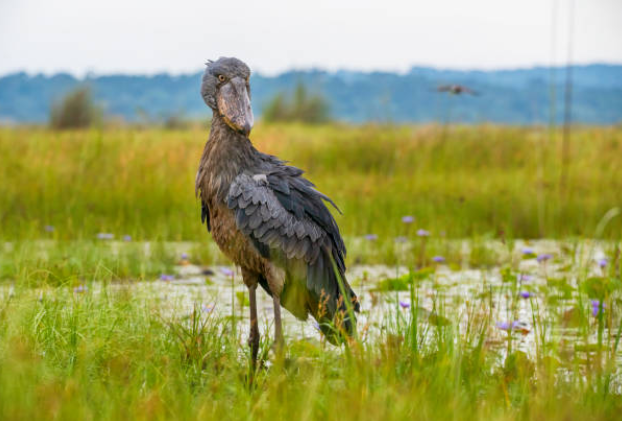
The shoebill (Balaeniceps rex) is a rare and remarkable bird that belongs to its own family, Balaenicipitidae. It is neither a stork nor a pelican, though it shares features of both. Standing at an impressive height of up to 5 feet, with a wingspan stretching to over 8 feet, it commands attention in its natural habitat.
Its most striking feature is its oversized bill, which resembles a wooden clog and measures up to 24 cm long. This bill allows the bird to capture large prey, particularly lungfish, eels, and even small reptiles. Despite its intimidating appearance, the shoebill has a calm, almost statuesque demeanor, often standing motionless for long periods while stalking its prey.
The bird’s slow, deliberate movements and piercing stare leave visitors spellbound. For many, seeing the iconic shoebill in the wild is a once-in-a-lifetime experience that creates unforgettable memories.
Where to See the Shoebill in Uganda
Uganda is one of the best countries in the world to encounter shoebills in their natural environment. These wetlands and swamps provide the perfect hunting and nesting grounds for the bird. Several destinations stand out for reliable sightings:
Mabamba Swamp
Located on the northern shore of Lake Victoria, about an hour’s drive from Kampala or Entebbe, Mabamba Swamp is the most popular site for shoebill viewing. The swamp’s labyrinth of channels and papyrus vegetation creates a serene environment that supports abundant fish and other aquatic life. Tourists often explore the area in traditional canoes, silently gliding through the water to spot the majestic bird. Mabamba is accessible, well-known, and offers one of the highest chances of sighting a shoebill within just a few hours.
Murchison Falls National Park
Uganda’s largest national park is famed for its dramatic waterfalls and diverse wildlife. Alongside elephants, giraffes, and lions, the park also harbors shoebills in its Nile delta region. Birdwatching cruises downstream offer excellent opportunities to spot these birds while also enjoying panoramic views of the river.
Ziwa Rhino Sanctuary
Though primarily known for its rhino conservation efforts, Ziwa is also an outstanding birding site. Its wetlands provide a secure habitat for shoebills, making it a valuable stop for travelers who want to combine birdwatching with rhino tracking.
Lake Kyoga and Semliki Wildlife Reserve
For those seeking off-the-beaten-path adventures, Lake Kyoga and the Semliki Wildlife Reserve also offer potential shoebill encounters. While sightings are less predictable compared to Mabamba or Murchison, the remoteness enhances the thrill of the search.
Best Time to See the Shoebill
The shoebill can technically be seen throughout the year, but timing can make a big difference in the success of your safari.
Dry Season (December–February, June–August)
The dry season is the most recommended period for shoebill tracking. Water levels in the swamps and wetlands recede, concentrating fish in smaller pools. This increases the chances of observing shoebills actively hunting, as they rely heavily on lungfish and catfish. Furthermore, boat rides are smoother and more predictable during these months.
Wet Season (March–May, September–November)
Although more challenging due to high water levels and dense vegetation, the wet season still offers opportunities for sighting shoebills. This period coincides with the breeding season for many bird species, making it rewarding for general birdwatching. However, accessibility to certain swamps may be limited, and weather conditions can disrupt travel plans.
For photographers aiming for clear skies and easy access, the dry season remains the best choice. But for adventurous travelers who enjoy lush scenery and fewer crowds, the wet season has its own unique charm.
Difficulties in Spotting the Shoebill
Despite its size and distinctive features, the shoebill is not always easy to find. Several factors make the experience both challenging and rewarding:
-
Habitat Accessibility: Shoebills live in remote swamps and wetlands, many of which can only be accessed by canoe or boat. Heavy rains can flood paths, making certain areas nearly unreachable.
-
Camouflage and Behavior: The bird’s gray plumage blends perfectly with papyrus vegetation. Combined with its ability to stand motionless for hours, it can be surprisingly difficult to notice.
-
Rarity: With an estimated global population of only 3,000 to 5,000 individuals, the shoebill is classified as vulnerable. Uganda hosts a significant portion of this population, but sightings are never guaranteed.
-
Weather Challenges: Sudden rainstorms or strong winds can make swamp exploration dangerous or uncomfortable. Travelers need patience, flexibility, and sometimes multiple attempts to achieve a successful sighting.
These challenges, however, make the eventual sighting of the iconic shoebill even more special, as it feels like a true reward for perseverance.
Accommodations Near Shoebill Habitats
Uganda’s tourism industry has developed a range of accommodations near key birding hotspots. From budget lodges to luxury retreats, travelers can find options that suit their preferences and enhance their shoebill-tracking adventure.
Near Mabamba Swamp
-
Nkima Forest Lodge: Nestled in a forest overlooking Lake Victoria, this eco-friendly lodge offers comfortable cottages and guided birding tours.
-
Lake Victoria View Guest House: A budget-friendly option in Entebbe, convenient for day trips to Mabamba.
Near Murchison Falls National Park
-
Paraa Safari Lodge: A luxury lodge with panoramic views of the Nile, offering comfort and proximity to shoebill habitats.
-
Pakuba Safari Lodge: A mid-range lodge inside the park with excellent access to the delta.
Near Ziwa Rhino Sanctuary
-
Amuka Safari Lodge: Located within the sanctuary, this lodge provides easy access to shoebill tracking and rhino trekking.
Other Options
For adventurous travelers, camping near Lake Kyoga or Semliki Wildlife Reserve can be arranged through local operators. While more rustic, these experiences bring visitors closer to nature and heighten the sense of discovery.
Why the Shoebill Matters to Uganda
Beyond its tourist appeal, the shoebill plays an important role in Uganda’s biodiversity. Wetlands where shoebills thrive also support countless fish species, reptiles, amphibians, and plants. Protecting these habitats ensures ecological balance and safeguards livelihoods for local fishing communities.
Moreover, birdwatching tourism makes a significant contribution to Uganda’s economy. The chance to see the iconic shoebill encourages conservation investments, generates jobs, and promotes awareness of environmental protection.
Tips for a Successful Shoebill Safari
-
Hire an experienced guide: Local guides know the birds’ behavior and best viewing spots.
-
Start early: Morning hours are most productive, as shoebills are often more active.
-
Bring proper gear: Binoculars, cameras with zoom lenses, insect repellent, and waterproof clothing are essential.
-
Be patient and quiet: The shoebill is a shy bird that can be easily disturbed by noise.
The shoebill is more than just a bird—it is a living relic of prehistoric times, a guardian of Uganda’s wetlands, and a dream sighting for travelers. While finding it requires effort, patience, and sometimes luck, the reward is a breathtaking encounter with one of the world’s most fascinating creatures. Whether you search in Mabamba Swamp, Murchison Falls, or Ziwa Rhino Sanctuary, the journey itself will be rich with nature’s wonders.