The Beauty and Diversity of Ugandan Cultures
Uganda, often called the “Pearl of Africa,” is a nation blessed not only with breathtaking landscapes but also with an incredibly rich cultural heritage. With over 50 recognized tribes, Uganda is a tapestry of traditions, languages, values, and customs that shape the everyday lives of its people. Each tribe contributes uniquely to the national identity, making Uganda a land where history and modernity beautifully intertwine.
In this article, we will explore the essence of Ugandan cultures, giving special attention to the major tribes such as the Baganda, Banyankole, Basoga, Bakiga, Iteso, Langi, Acholi, Bagisu, Karamojong, and Lugbara. At the same time, we will briefly highlight the cultural practices of the other tribes to reflect Uganda’s full cultural spectrum.
Major Ugandan Cultures
The Baganda
The Baganda, the largest tribe in Uganda, trace their roots to the Buganda Kingdom, which has existed for centuries. Their traditional leadership is headed by the Kabaka (king), who serves both as a cultural symbol and a unifying figure. Marriage among the Baganda is celebrated with elaborate traditional ceremonies where bride price, music, and dance play central roles. Their cooking is famous for matooke (steamed bananas), groundnut stew, and smoked fish. Naming traditions often involve giving children names that reflect the circumstances of birth. The Baganda’s dressing style historically included bark cloth, though modern times have embraced the kanzu for men and gomesi for women. Their behavior emphasizes respect, family bonds, and hospitality, making them key custodians of Uganda’s heritage.
The Banyankole
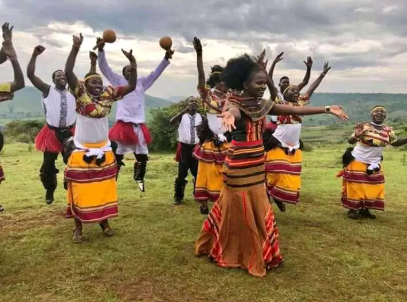
The Banyankole occupy southwestern Uganda and are traditionally divided into the Bahima (cattle keepers) and Bairu (cultivators). Their leadership historically centered around the Omugabe (king), who commanded loyalty and respect. Marriage is highly valued, and dowry in the form of cattle remains an important symbol of unity between families. Cooking revolves around milk, millet bread, and meat dishes. Children are named after seasons, events, or ancestors. Dressing is distinctive: the Bahima wear long robes with cowhide sandals, while women wear colorful wraps. The Banyankole emphasize communal living, discipline, and respect for elders, shaping a society that has preserved its roots while embracing modern Uganda.
The Basoga
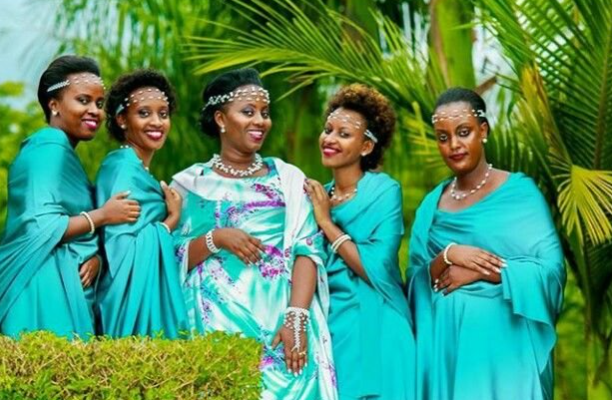
The Basoga of eastern Uganda belong to the Busoga Kingdom, led by the Kyabazinga. They started as part of Bantu migrations and have maintained rich traditions. Their marriages are elaborate, with music and dances like Baakisimba entertaining guests. Cooking mainly includes millet, sweet potatoes, and fish from Lake Victoria. Names often carry blessings or signify family heritage. Dressing includes kanzu for men and traditional gomesi for women. The Basoga are known for their warm behavior, unity, and industrious nature, making them strong contributors to the growth of Uganda’s culture.
The Bakiga
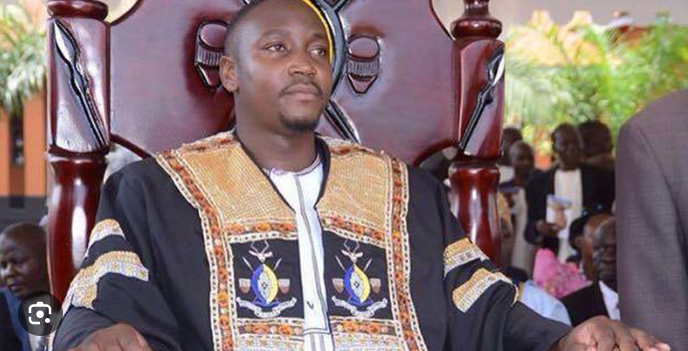
The Bakiga hail from the highlands of southwestern Uganda, where they started as skilled agriculturalists. Their leadership was clan-based, with elders overseeing decision-making. Marriage customs emphasize hard work and bride price paid in cows or goats. Their meals are dominated by sorghum, millet bread, and local vegetables. Names reflect aspirations, nature, or ancestral remembrance. The Bakiga traditionally dressed in animal skins, but now wear kanzus and western clothing. Their behavior is characterized by resilience, strength, and community solidarity, deeply influenced by their mountainous environment.
The Iteso
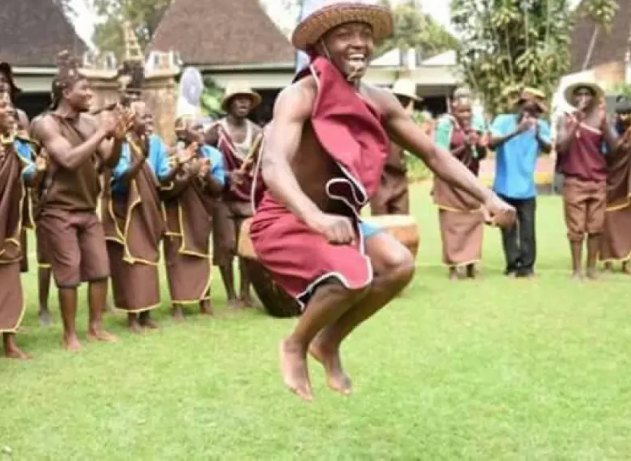
The Iteso, mainly found in eastern Uganda, have a history rooted in pastoralism and crop cultivation. Their traditional leadership was centered on clan heads who guided the people spiritually and socially. Marriage customs involve elaborate negotiations and the exchange of cattle as dowry. Cooking often includes millet bread, beans, and milk. Naming traditions emphasize identity, events, or blessings. Dressing in the past included skins and beads, though today modern attire dominates. The Iteso are known for their vibrant dances, communal celebrations, and hard-working spirit, shaping their reputation as strong and hospitable people.
The Langi
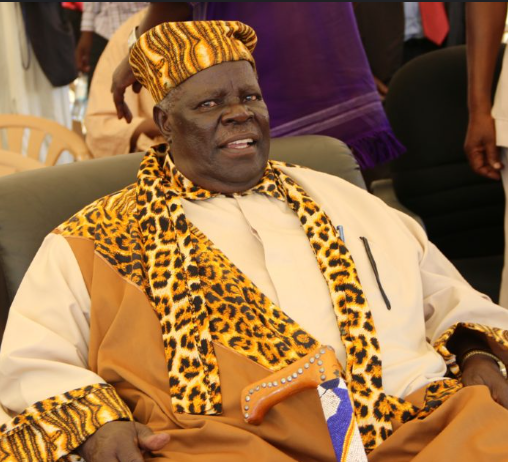
The Langi of northern Uganda are Nilotic people who trace their origins to cattle-keeping communities. Their leadership was centered on clan chiefs who ensured social harmony. Marriage is celebrated with cattle exchange and communal feasts. Their cuisine includes millet bread, beans, and simsim paste. Names often reflect strength, seasons, or important events. Dressing traditionally included animal skins and beads, though modern attire has become common. The Langi are recognized for their bravery, resilience, and strong community values, making them an influential part of Ugandan culture.
The Acholi
The Acholi, also from northern Uganda, started as Nilotic pastoralists and warriors. Their leadership was guided by Rwodi (chiefs), who played both political and spiritual roles. Marriage customs involve bride wealth, often paid in livestock, and grand feasts. Cooking is centered around millet bread, vegetables, and groundnut sauce. Children are named based on events surrounding birth. Dressing traditionally featured animal skins, beads, and spears, though modern wear is now common. The Acholi are celebrated for their dances like Bwola, their resilience, and their deep respect for elders, making them cultural pillars in Uganda.
The Bagisu
The Bagisu of eastern Uganda are famous for their initiation ceremonies known as Imbalu, where boys are circumcised as a rite of passage into manhood. Their leadership traditionally involved clan heads who mediated disputes and guided rituals. Marriage involves bride price, mainly in livestock, and joyous ceremonies. Their meals include millet bread, beans, and bananas. Names often connect to nature or lineage. Dressing in the past featured animal hides, but now modern clothes dominate. The Bagisu are known for their courage, farming expertise, and strong communal ties, making them essential to Uganda’s cultural mosaic.
The Karamojong
The Karamojong of northeastern Uganda are proud pastoralists who value cattle as the cornerstone of their livelihood. Leadership was historically through elders who managed herds and mediated disputes. Marriage is arranged through cattle exchange, and polygamy is common. Cooking mainly revolves around milk, blood, and meat. Names are given to honor ancestry, nature, or significant events. Dressing traditionally includes beads, animal skins, and body ornaments, though modern attire is slowly taking root. The Karamojong are admired for their resilience, courage, and preservation of ancient ways of life despite modernization pressures.
The Lugbara
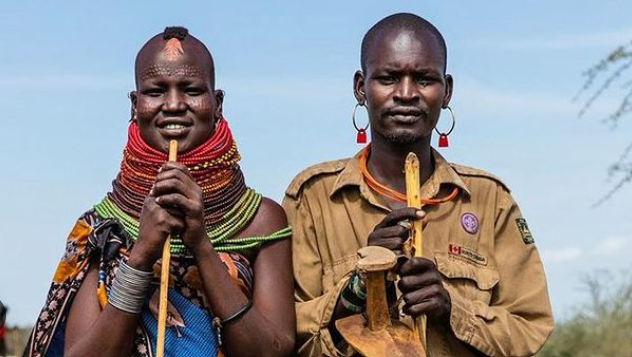
The Lugbara, living in northwestern Uganda, trace their roots to early agricultural settlements. Their leadership centered around clan heads who maintained order and unity. Marriage customs are elaborate, with bride wealth in livestock and food items. Their cooking is dominated by cassava, beans, and groundnuts. Names often reflect nature, morality, or blessings. Dressing historically included bark cloth and skins, but modern styles have taken over. The Lugbara are known for their discipline, hardworking spirit, and unity, forming an integral part of Ugandan culture.
Brief Insights into Other Ugandan Tribes
Uganda is also home to many smaller yet significant tribes, each contributing uniquely to the nation’s identity:
-
Alur – Known for fishing, farming, and music.
-
Bakonzo – Famous for mountain farming and unique dances.
-
Bamba – Reside in the Rwenzori Mountains, skilled in farming.
-
Batwa – Indigenous forest dwellers known for hunting traditions.
-
Basamia – Fisherfolk around Lake Victoria.
-
Banyarwanda – Known for cattle-keeping and banana farming.
-
Banyole – Agriculturalists specializing in rice and cassava.
-
Bavuma – Fisherfolk inhabiting the Lake Victoria islands.
-
Samia – Known for fishing and hospitality.
-
Chope – Agricultural people of the eastern region.
-
Padhola (Jopadhola) – Luo-speaking agriculturalists.
-
Sebei – High-altitude farmers known for athleticism.
-
Dodoth – Cattle keepers of Karamoja.
-
Jie – Resilient pastoralists.
-
Tepeth – Indigenous mountain people.
-
Madi – Agriculturalists of West Nile.
-
Kumam – Blend of Iteso and Langi culture.
-
Jonam – Fishing communities on Lake Albert.
-
Aringa – Farmers and hunters.
-
Napore – Indigenous West Nile group.
-
Ik (Teuso) – Mountain dwellers known for unique customs.
-
Kakwa – Traders and farmers.
-
Metu – Agricultural and cultural custodians.
-
Nubi – Known for military history and urban settlements.
-
Paluo – Close ties to Langi traditions.
-
Vanoma – A Small ethnic group with unique rituals.
-
Other minorities – Including Venoma, Banyabindi, Bagwere, and Basongora, each holding customs rooted in agriculture, trade, or pastoralism.
Together, these communities complete the cultural puzzle that makes Uganda a land of unity in diversity.
Uganda’s strength lies in its diversity. From the Baganda to the Batwa, every tribe carries traditions that tell a story of resilience, unity, and adaptation. The dances, meals, names, and leadership systems are more than just customs—they are living testimonies of history. By cherishing these traditions, Uganda continues to shine as a nation where identity and modernity coexist.