
Sebei Culture in Uganda: A Rich Heritage of the Eastern Highlands
The Sebei culture in Uganda represents a vibrant and unique tradition rooted in the Kween and Kapchorwa districts in the country’s eastern highlands. Known for their resilience, deep respect for nature, and strong community bonds, the Sebei people offer a fascinating glimpse into Uganda’s diverse cultural landscape. This article explores the origins, customs, and way of life of the Sebei community, highlighting what makes their culture distinct.
Origins and Early History
The Sebei people are part of the Kalenjin ethnic group and historically trace their ancestry to the highland regions near Mount Elgon. Their migration patterns, though not extensively documented, suggest that they moved from the northwestern regions of present-day Kenya and gradually settled in the fertile highlands of eastern Uganda. The Sebei adapted to the mountainous terrain, which influenced their farming practices, settlement patterns, and even their traditional governance systems. Over centuries, the Sebei developed a culture deeply intertwined with the natural environment, relying on livestock rearing, crop farming, and hunting for sustenance.
Traditional Leadership
Traditional leadership within the Sebei community revolves around clan elders and chiefs who mediate conflicts, oversee land distribution, and maintain social order. Elders are highly respected, and their decisions are guided by wisdom, experience, and cultural norms. The community often relies on consensus-building, with elders acting as both advisors and arbiters. Although modern administrative systems have supplemented traditional leadership, the Sebei continue to honor their elders, especially in cultural rituals and community gatherings, ensuring continuity of their heritage.
Behaviour and Social Conduct
The Sebei people are known for their disciplined, hardworking, and hospitable nature. Community life is built on mutual respect and cooperation, where sharing resources and helping neighbors is common. The Sebei place a high value on respect for elders, observance of cultural rituals, and maintenance of family honor. Their behavior reflects a balance between individual responsibilities and communal welfare, with celebrations and ceremonies acting as key moments for reinforcing social bonds. Politeness, humility, and generosity are considered virtues in everyday interactions.
Marriage Customs
Marriage in the Sebei culture is a significant social institution, often arranged with the consent of both families. Traditionally, a bride price, often paid in livestock or money, formalizes the union. Ceremonies are elaborate and include traditional dances, singing, and the exchange of gifts. Marriages are not only unions of individuals but also alliances between families and clans, fostering social cohesion. Polygamy was historically practiced, though monogamous marriages are more common today. Courtship and marriage rituals reflect the Sebei’s emphasis on family, respect, and social responsibility.
Way of Cooking
Sebei cuisine is shaped by the highland environment and the availability of local ingredients. Staple foods include millet, sorghum, maize, beans, and vegetables. Meat, particularly from cattle, goats, and sheep, is an important protein source, and milk plays a central role in daily nutrition. Traditional cooking methods include open-fire roasting, boiling, and fermenting foods. A favorite dish is kalo, a porridge made from millet or sorghum, often enjoyed with milk. Food preparation is not merely a necessity but also a cultural practice that brings families together, especially during celebrations and communal gatherings.
Naming Traditions
Names in the Sebei culture carry deep significance, often reflecting circumstances of birth, family history, or ancestral lineage. Children may be named after relatives, prominent community members, or natural events occurring at the time of birth. Names are a source of identity and pride, and they often convey moral values, aspirations, or spiritual beliefs. Through naming, the Sebei maintain continuity of lineage and preserve historical and cultural memory across generations.
Traditional Dressing
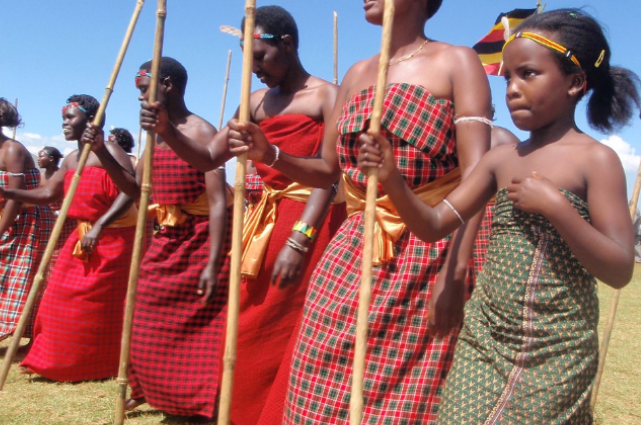
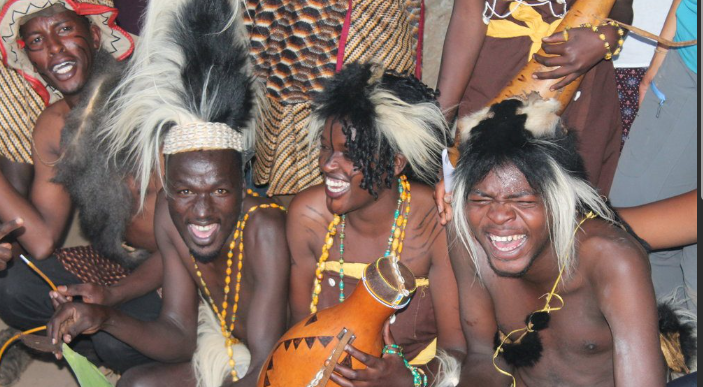
The Sebei have a distinct style of traditional dressing that reflects both practicality and cultural symbolism. Men often wear wrapped cloths called kitenge or animal hides during ceremonies, while women wear colorful skirts and wraps complemented by beads and ornaments. Traditional attire is worn prominently during festivals, weddings, and other cultural events, serving as a symbol of identity and pride. Though modern clothing is common in daily life, Sebei people retain traditional dress for special occasions, preserving their cultural heritage visibly.
Way of Living
The Sebei lifestyle is closely linked to agriculture and livestock rearing. They live in homesteads clustered by family units, often built from local materials like mud, grass, and timber. Daily life revolves around farming, herding, and community activities. Education and skill development have increasingly become part of the Sebei way of life, blending tradition with modernity. Despite modernization, they maintain a strong connection to ancestral lands, nature, and cultural practices, ensuring that the community’s heritage remains vibrant.
Language
The Sebei language, Kupsabiny, is an essential aspect of their cultural identity. It is a Nilotic language related to the Kalenjin group and is spoken by the community in daily life, storytelling, and ceremonial rituals. Language serves as a vessel for passing down oral history, songs, proverbs, and moral teachings. Preserving the language is crucial for maintaining the Sebei’s cultural identity, especially in a rapidly changing world where younger generations are increasingly exposed to global influences.
Contemporary Influence and Preservation
While modernity has influenced the Sebei community, they remain committed to preserving their cultural practices. Festivals, traditional dances, and rituals continue to be celebrated, while elders educate youth about their heritage. Cultural tourism has also played a role in raising awareness about the Sebei, showcasing their unique traditions to visitors. Through these efforts, the Sebei culture in Uganda continues to thrive, bridging the past and present while remaining resilient in the face of change.
The Sebei culture in Uganda is a testament to the rich diversity of Uganda’s ethnic groups. From traditional leadership and marriage customs to cuisine, dressing, and language, the Sebei people have maintained a distinct identity shaped by their history, environment, and communal values. Their culture exemplifies the importance of heritage, resilience, and community cohesion. By understanding and preserving Sebei traditions, both locals and visitors can appreciate the profound cultural richness embedded in Uganda’s eastern highlands.