
Exploring the Nubi Culture in Uganda
Uganda is a country of immense cultural diversity, with over 50 different ethnic groups that enrich its heritage. Among these communities lies a lesser-known yet historically significant group — the Nubis. The Nubi culture in Uganda is unique in its origin, practices, and traditions, shaped by centuries of migration, military service, and cultural adaptation. Today, they stand as a small but distinct community whose way of life reflects resilience, creativity, and a blend of influences from Sudan, Uganda, and Islam.
How the Nubi Community Started
The roots of the Nubis in Uganda trace back to the late 19th century, when Sudanese soldiers, many of them from Nubia and surrounding regions, were recruited into the British colonial army. After serving in various campaigns across East Africa, many of these soldiers settled in Uganda. They married women from local tribes, creating a mixed heritage that gave rise to the present-day Nubi community.
Unlike other Ugandan ethnic groups that claim ancestral homelands within the country, the Nubis identify themselves as descendants of these early settlers. Their arrival was not as farmers or herders but as disciplined soldiers, which explains their initial concentration in garrisons such as Bombo, Kitgum, and parts of Kampala. Over time, they developed strong communal ties and preserved a distinct identity despite being scattered across different regions.
Traditional Leadership
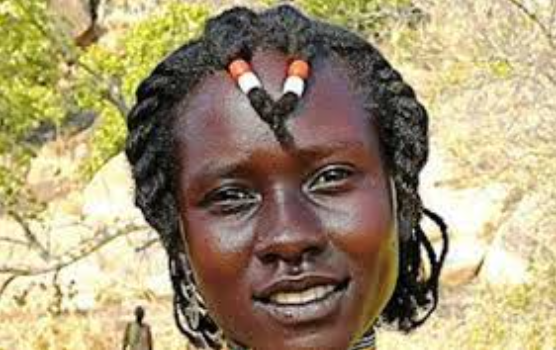
The Nubis do not have a centralized kingdom like the Buganda or Bunyoro. Instead, their traditional leadership is community-based, often tied to religious and social structures. The imam and community elders play a crucial role in guiding decision-making, conflict resolution, and cultural preservation. Leadership is less hereditary and more about wisdom, seniority, and respect within the community.
The mosque remains a central institution in their governance, not only as a place of worship but also as a venue for cultural gatherings and discussions. This system has allowed the Nubi people to maintain unity while adapting to the diverse environments in which they live.
Behaviour and Social Values
The Nubi culture in Uganda emphasizes hospitality, discipline, and respect. Historically linked to their military origins, Nubis are known for their orderliness and loyalty. They highly value family unity and collective responsibility, often coming together in times of joy and sorrow.
Respect for elders is deeply ingrained, and children are taught from a young age to honor their parents and community leaders. Social behavior is also guided by Islamic teachings, with humility, honesty, and generosity considered essential virtues.
Marriage Traditions
Marriage in the Nubi community is not just a union between two individuals but a merging of families. Islamic customs shape their marriage practices, and the nikah (Islamic marriage contract) is the foundation of their unions. The groom is required to pay a bride price (mahr) to the bride, symbolizing respect and responsibility.
Marriages are often arranged with family involvement, although modern influences have allowed more freedom of choice. Wedding ceremonies are joyous occasions marked by feasting, music, and cultural dances. Women wear modest Islamic attire, and food is abundant, reflecting the community’s strong hospitality culture.
Way of Cooking
The Nubi cuisine reflects a blend of Sudanese, Arab, and Ugandan influences. Staple foods include rice, simsim (sesame), beans, and cassava. Meat, especially goat and beef, is a central feature in their meals, often spiced with flavors such as cumin, cardamom, and cloves.
One of the community’s signature dishes is asida (a porridge-like meal made from wheat or sorghum flour), usually eaten with stew. Tea flavored with spices is a daily favorite, especially served to guests as a sign of warmth and welcome. Unlike many Ugandan communities that rely heavily on matooke (bananas), the Nubis lean more towards rice and bread, aligning them with North African traditions.
Way of Naming
Names within the Nubi community are strongly tied to Islam. Most children are given Arabic names at birth, often after prophets, companions, or revered figures in Islamic history. Boys may be named Mohammed, Ahmed, or Idris, while girls may be called Fatima, Aisha, or Zainab.
In addition to religious names, some children are given names that reflect their family history or cultural identity. Naming ceremonies often take place on the seventh day after birth, where family and friends gather for prayers, feasting, and blessings.
Way of Dressing
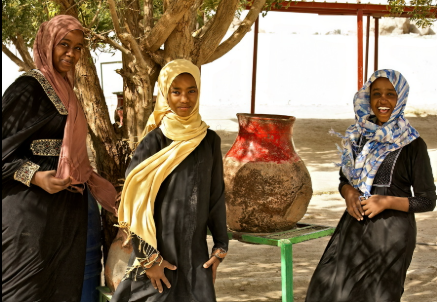
The Nubi people are easily identified by their modest dressing style, influenced by Islamic culture. Men commonly wear kanzus (long white robes) and caps, while women wear long dresses and hijabs that cover their hair and sometimes veils for full modesty.
On special occasions like weddings or Eid celebrations, their attire becomes even more elaborate, with beautifully embroidered garments and jewelry. The sense of dignity and modesty in their dress sets them apart from other Ugandan communities.
Way of Living
The Nubi culture in Uganda is built on communal living. Families often live close to each other, strengthening their sense of unity. Extended families play a key role in raising children, supporting the sick, and organizing community events.
Religion strongly influences their lifestyle, with daily prayers, fasting during Ramadan, and adherence to Islamic dietary laws shaping their routines. Despite their small numbers, they have managed to preserve their customs while also integrating with other Ugandan communities in trade, education, and social interactions.
Economically, the Nubis are known for their involvement in trade, small businesses, and transport services. Historically, many worked as soldiers and security personnel, a profession that aligns with their disciplined background. Today, they continue to balance traditional practices with modern livelihoods.
Language
The Nubi community speaks a unique language known as Nubi or Kinubi. It is an Arabic-based Creole that developed during the colonial era among Sudanese soldiers who came from diverse linguistic backgrounds. Nubi language simplified Arabic grammar and incorporated words from African languages, making it a distinct linguistic identity.
Though Arabic is its foundation, Kinubi is unique to the Nubis of East Africa. However, younger generations increasingly speak Luganda, English, and Swahili due to urbanization and education. Efforts are being made to preserve Kinubi as a cultural treasure that distinguishes them from other groups.
The Nubi people have carved out a unique identity in Uganda through their history, traditions, and way of life. Their culture is a beautiful blend of Sudanese heritage, Islamic faith, and Ugandan influences. From their modest dress to their spiced cuisines, and from their communal values to their unique language, the Nubis embody resilience and adaptability.