
Karimojong Culture in Uganda: A Deep Insight
Uganda is home to a wide variety of ethnic groups, each with unique traditions and ways of life. Among them, the Karimojong stand out for their resilience, pastoralist heritage, and distinctive cultural practices. Predominantly found in the northeastern part of the country, the Karimojong people have preserved many of their customs despite the rapid changes brought by modernization. This article provides a detailed look into the Karimojong culture in Uganda, focusing on their origin, leadership, behaviour, marriage traditions, cooking styles, naming practices, dressing, way of living, and their language.
How the Karimojong Started
The history of the Karimojong is tied to migration patterns across East Africa. Oral traditions indicate that they descended from the larger Ateker ethnic group, which originally migrated from present-day Ethiopia and South Sudan. Over centuries, they settled in the semi-arid Karamoja region of Uganda. Their name is believed to derive from “ekar ngimojong,” meaning “the old men can walk no further,” symbolizing their decision to settle permanently after long migrations. This origin story highlights their deep attachment to the land they now occupy, which shapes their identity and cultural values.
Traditional Leadership Among the Karimojong
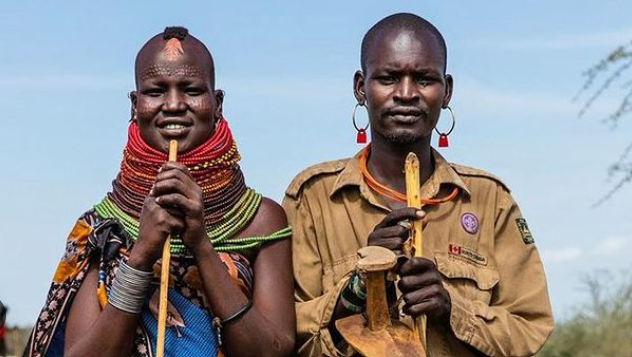
Traditional leadership plays a central role in maintaining order and guiding community life. The Karimojong leadership system is structured around elders, who are highly respected as custodians of wisdom and tradition. Elders form councils that make decisions on disputes, land use, and marriage negotiations. Their authority is not enforced through force but through social respect and adherence to cultural norms. In addition, spiritual leaders known as “Emurons” hold influence as mediators between the people and their gods. The presence of both political and spiritual guidance ensures that the Karimojong community remains socially cohesive and united.
Behaviour and Social Conduct
The behaviour of the Karimojong people reflects values of bravery, communal living, and respect for elders. Traditionally, cattle raiding was a common practice and a demonstration of courage, but over time it became associated with conflict. Today, the government and NGOs work to transform this practice into peaceful economic activities. Karimojong society also emphasizes hospitality—visitors are welcomed warmly and offered food or milk. Their social conduct is deeply tied to honour and dignity, with clear expectations for men and women in fulfilling their roles. Men are largely responsible for herding cattle, while women take care of household duties and food preparation.
Marriage Traditions
Marriage is a highly valued institution in Karimojong culture. It is seen as a way of strengthening family ties and ensuring the continuity of clans. Traditionally, a man seeking to marry must provide a bride price, which often consists of cattle, goats, and other livestock. This not only symbolizes his ability to support a family but also strengthens relationships between clans. Polygamy is culturally accepted, with wealthier men often marrying more than one wife. Ceremonies are marked with singing, dancing, and feasting, celebrating the union of families. Importantly, marriage is not only about individuals but also about creating strong alliances within the community.
Way of Cooking
The Karimojong way of cooking is influenced by their pastoralist lifestyle. Milk, meat, and blood from cattle are staple foods. Blood is traditionally tapped from cattle without killing them, mixed with milk, and consumed as a source of protein. Meat is usually roasted or boiled, especially during ceremonies. Sorghum and millet are the main crops grown in the region, used to make porridge and local beer known as “kwete.” Women are primarily responsible for cooking, and food preparation often involves communal participation, especially during celebrations. The simplicity of their cooking reflects both the scarcity of resources in the semi-arid region and their cultural emphasis on livestock.
Way of Naming
Naming practices among the Karimojong are meaningful and symbolic. Children are often named based on circumstances surrounding their birth, seasons, or family history. Names may also reflect cattle, which hold great significance in their society. For example, some names are derived from the colour or shape of cattle. Elders also play a role in naming, ensuring that each name connects the child to their heritage. These names carry deep identity markers and serve as a record of cultural memory, linking the younger generation to the traditions of their ancestors.
Dressing and Cultural Attire
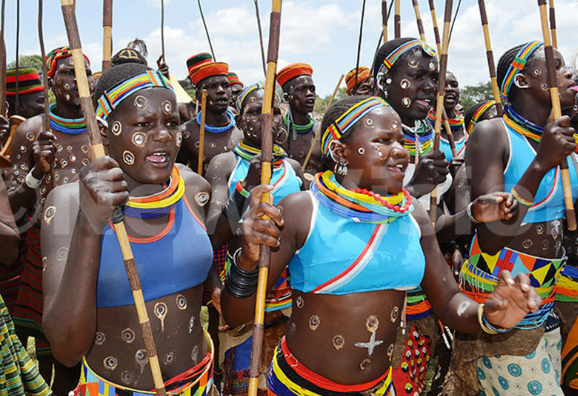
The traditional dressing of the Karimojong is vibrant and symbolic. Men often wear shukas (blanket-like garments) draped around the body, while women dress in brightly coloured beads and leather skirts. Beadwork is particularly significant, with patterns indicating marital status, age, and sometimes social standing. Spears and sticks are commonly carried by men as symbols of strength and guardianship. Despite the introduction of Western clothing, many Karimojong still proudly wear their traditional attire during cultural events and ceremonies. This continued use of cultural dress is a testament to their determination to preserve their identity.
Way of Living
The Karimojong lifestyle revolves around cattle, which serve as a source of food, wealth, and social prestige. Their homesteads, known as “manyattas,” are built with thorn fences for protection and huts constructed from mud, grass, and sticks. Life is communal, with extended families living together and sharing responsibilities. Pastoralism remains central, with men and boys often moving with cattle in search of pasture and water. While modern education and urbanization are slowly changing aspects of their lives, the Karimojong continue to value their traditions and resist losing touch with their heritage.
The Karimojong Language
The language of the Karimojong belongs to the Nilotic language family, closely related to other Ateker languages spoken in neighbouring regions. It is rich in oral expression, with proverbs, songs, and storytelling forming a crucial part of passing down knowledge. Language plays a vital role in preserving their customs, as many traditions are taught orally. Through their language, the Karimojong maintain a connection to their ancestors and ensure that cultural wisdom is not lost. In schools and official settings, English and other Ugandan languages may be used, but the Karimojong language remains a foundation of cultural identity.
Preserving Karimojong Culture in Uganda
Despite challenges such as modernization, climate change, and occasional conflicts, the Karimojong remain committed to preserving their traditions. Organizations working in the region emphasize education, healthcare, and peacebuilding while respecting cultural values. Cultural festivals and community gatherings also provide opportunities to showcase dances, songs, and attire, ensuring that the younger generation appreciates their heritage. By blending tradition with adaptation, the Karimojong continue to uphold their identity while embracing opportunities for growth and development.
The Karimojong culture in Uganda is a living testament to resilience, heritage, and identity. From their origins and traditional leadership to their marriage practices, food, dressing, and language, every aspect of their life reflects a deep connection to their land and livestock. Though modernization presents challenges, the Karimojong’s determination to preserve their culture ensures that their values and traditions will endure. Understanding their way of life not only highlights Uganda’s cultural diversity but also emphasizes the importance of safeguarding indigenous traditions for future generations.