
Jopadhola Culture in Uganda: A Deep Dive Into Traditions and Lifestyle
The Jopadhola culture in Uganda is a fascinating tapestry of traditions, customs, and ways of life that have evolved over centuries. The Jopadhola people, also known as the Adhola, are primarily located in the Tororo district of Eastern Uganda. They are renowned for their unique social structures, vibrant rituals, and rich cultural expressions, which continue to shape their identity in contemporary Uganda. Understanding the Jopadhola culture provides a window into the broader cultural mosaic of Uganda and highlights the resilience and adaptability of this community.
Origins and Historical Background
The Jopadhola people trace their ancestry back to the Luo migrations from South Sudan. They settled in what is now Tororo centuries ago, gradually developing a distinct culture influenced by both Nilotic and Bantu neighbors. Historical accounts suggest that the Jopadhola maintained relative isolation, allowing their language, customs, and social structures to flourish independently. This historical evolution laid the foundation for the strong sense of identity and communal bonds observed in the Jopadhola today.

Traditional Leadership
The Role of Chiefs and Clan Leaders
In Jopadhola society, traditional leadership revolves around a decentralized system of chiefs and clan elders. Each clan, known as a paro, is headed by a chief who oversees local governance, dispute resolution, and the maintenance of cultural practices. The clan elders, respected for their wisdom, play a crucial role in guiding families and ensuring adherence to societal norms.
Decision-Making and Conflict Resolution
Decisions in the Jopadhola community are often made collectively, emphasizing consensus over authoritarian rule. Conflicts are resolved through dialogue, guided by elders who consider both tradition and fairness. This system has contributed to the community’s social cohesion and the preservation of its cultural identity across generations.
Social Behaviour and Norms
Respect and Community
The Jopadhola are known for their strong sense of community and respect for elders. Social interactions emphasize mutual support, cooperation, and humility. Children are taught from a young age to respect adults and contribute meaningfully to the household and clan activities.
Festivals and Rituals
Cultural festivals, such as Okwere, celebrate harvests, marriages, and ancestral spirits. These events reinforce social bonds, celebrate life milestones, and preserve traditional music, dance, and storytelling. Through these rituals, the Jopadhola maintain a vibrant connection to their past while reinforcing contemporary community values.
Marriage and Family Life
Courtship and Traditional Marriage
Marriage in the Jopadhola culture is both a personal and communal affair. Courtship involves families negotiating bride price, which traditionally includes livestock or symbolic gifts. Marriage ceremonies are marked by elaborate rituals, traditional songs, and dances that publicly affirm the union of two families.
Role of Family
Families in the Jopadhola community are typically extended, including grandparents, uncles, aunts, and cousins. This structure fosters strong intergenerational bonds, ensures social support, and preserves ancestral knowledge. Children are raised with a strong sense of cultural identity and communal responsibility.
Culinary Practices: The Way of Cooking
Traditional Foods
The Jopadhola have a diverse culinary tradition that reflects their agricultural lifestyle. Staple foods include millet, sorghum, cassava, maize, and vegetables. Meat, especially goat and chicken, is consumed during ceremonies and special occasions.
Cooking Methods
Food is traditionally cooked over open fires or in clay pots, often flavored with local herbs. Techniques such as steaming, boiling, and roasting are commonly used. Meals are communal, reinforcing the cultural emphasis on togetherness and sharing.
Naming Practices and Significance
Names in Jopadhola culture carry deep cultural and spiritual significance. Children are often named based on the circumstances surrounding their birth, ancestral lineage, or qualities parents wish to instill. Names may also reflect natural phenomena, social events, or clan affiliations. This naming practice ensures that each individual carries a piece of communal history and identity.
Traditional Attire and Dressing
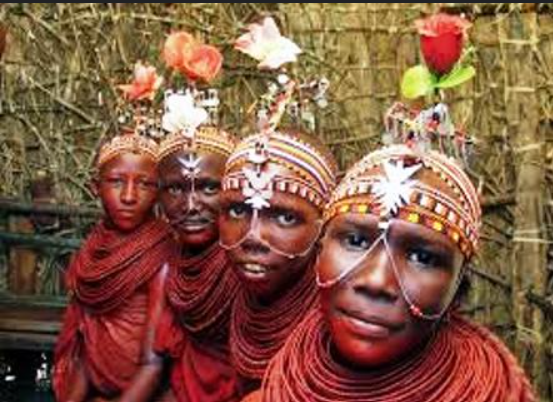
The Jopadhola are known for their colorful and symbolic clothing, which varies according to age, gender, and social status. Men often wear traditional loincloths or tunics during ceremonies, while women adorn themselves with patterned wraps and beadwork. During special occasions, elaborate jewelry, headdresses, and body decorations highlight cultural pride and artistic expression.
Way of Living and Daily Life
The Jopadhola primarily engage in subsistence farming, growing crops such as millet, cassava, and maize. Fishing and small-scale livestock rearing complement agricultural activities. Daily life is structured around community cooperation, with neighbors assisting each other in farming, construction, and childcare.
Education, although increasingly embraced, is balanced with respect for traditional knowledge and skills, ensuring that the younger generation remains grounded in their cultural roots.
Language and Communication
The Jopadhola speak Dhopadhola, a Luo language that preserves oral histories, proverbs, and folklore. Language serves as a key tool in transmitting cultural values, mediating social interactions, and fostering a sense of unity. Storytelling, riddles, and songs are integral, allowing knowledge and tradition to pass seamlessly from one generation to the next.
The Jopadhola culture in Uganda is a remarkable example of how tradition, social cohesion, and adaptability coexist. From their unique leadership systems and marriage practices to culinary traditions and linguistic heritage, the Jopadhola maintain a vibrant cultural identity that enriches Uganda’s cultural landscape. Their ability to preserve customs while embracing modernity ensures that this rich culture continues to thrive, offering both locals and visitors a profound understanding of the values, history, and lifestyle of the Jopadhola people.