
The Basoga Culture in Uganda
The Basoga culture in Uganda is one of the most fascinating and deeply rooted traditions in East Africa. The Basoga people occupy the Busoga region in the eastern part of Uganda, mainly between Lake Victoria in the south and the River Nile in the west. Their culture is defined by a strong sense of community, deep respect for leadership, and vibrant traditions that span music, marriage, naming, cooking, and language. Like many other Ugandan ethnic groups, the Basoga have managed to preserve much of their heritage despite the changes brought by modernization and urbanization.
This article explores the origins of the Basoga, their traditional leadership, social behavior, marriage customs, cooking traditions, naming practices, dress codes, lifestyle, and language. By understanding these aspects, we gain insight into not only their identity but also their contribution to Uganda’s cultural diversity.
How the Basoga Started
The origins of the Basoga are traced to the Bantu migration, a wave of people that moved across Africa centuries ago. They settled in the fertile lands between the Nile and Lake Victoria, which provided food, water, and natural protection. Oral traditions reveal that the Basoga descended from early settlers who moved from the north and west, blending with smaller groups already living in the region.
The Busoga Kingdom was formed through a federation of chiefdoms. Each clan had its own leader, but they shared common ancestry and values. Over time, the unification of these chiefdoms created a stronger cultural identity. This history explains why the Basoga are strongly connected to clans, lineage, and ancestral heritage. Their beginnings are tied to both migration and the fertile natural environment that shaped their livelihoods.
Traditional Leadership
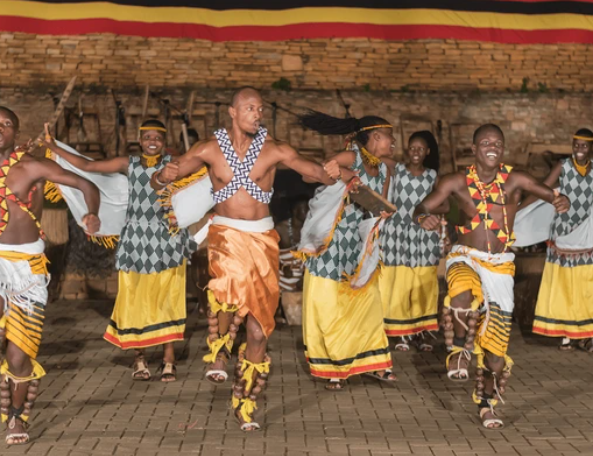
Leadership among the Basoga has historically revolved around the Kyabazinga, the cultural king. Unlike other centralized monarchies in Uganda, the Basoga leadership is a unifying federation of chiefs. Each clan has its own leader, but the Kyabazinga is chosen from among the hereditary chiefs of royal descent. This rotating kingship is unique and symbolizes unity, fairness, and collective responsibility.
The Kyabazinga’s role extends beyond governance; he is regarded as the custodian of culture, traditions, and spiritual practices. He presides over important cultural functions, festivals, and dispute resolutions. Even in modern Uganda, the Kyabazinga remains an influential figure in Busoga, not only in cultural matters but also in the development and mobilization of the community.
Behaviour and Social Character
The Basoga are known for their hospitality and friendliness. Visitors are warmly welcomed and often offered food or drink as a sign of respect. Community life is central, and people rely on one another for support in farming, ceremonies, and social gatherings.
Respect for elders is a cornerstone of their social behavior. Young people are expected to listen attentively and carry out the advice of their parents and grandparents. Social etiquette includes greeting elders first, avoiding confrontational speech, and using polite language in public gatherings.
They also value hard work, especially in farming. Traditionally, laziness is frowned upon, and families encourage their children to grow up disciplined and industrious. Socially, they are cheerful and love music, dance, and storytelling, which form an important part of their identity.
Marriage Customs
Marriage in Basoga culture is a celebrated milestone that involves not just two individuals but entire families. Courtship traditionally begins with the man’s family visiting the woman’s home to express interest. This is followed by negotiations of bride price, which often includes livestock, food, or money. The bride price is not seen as a purchase but as a sign of appreciation and respect to the bride’s family.
During the marriage ceremony, traditional dances, drumming, and ululations are performed. Elders from both families provide blessings, and the young couple is advised on how to build a strong family. Polygamy was historically common, although today most marriages follow the Christian or Islamic systems due to religious influence.
Marriage among the Basoga emphasizes unity, respect for in-laws, and continuity of the clan. The institution is more than personal—it strengthens community ties and preserves cultural values.
Way of Cooking
Food plays an important role in the Basoga culture in Uganda. Their cuisine reflects both agricultural abundance and communal life. The Basoga are known for their love of matooke (plantains), sweet potatoes, millet bread, and cassava. These staple foods are often served with groundnut sauce, beans, or fish from Lake Victoria and the Nile.
Cooking is usually done on open firewood stoves, with women taking the central role in meal preparation. Steaming is a popular method, where food is wrapped in banana leaves to preserve flavor and nutrients. The communal sharing of meals strengthens bonds within families.
Special occasions like marriage ceremonies or festivals involve unique dishes, such as roasted meat, malewa (bamboo shoots), and traditional beer brewed from millet. Food is not just for nourishment but also a symbol of hospitality, unity, and cultural identity.
Way of Naming
Naming among the Basoga reflects both cultural heritage and personal identity. Children are often named after events surrounding their birth, seasons, ancestors, or family history. For example, a child born during the rainy season may be given a name that reflects abundance or blessings.
Clan names are important, as they preserve lineage. Each child belongs to a specific clan and carries names that show their connection to ancestors. In many cases, names have meanings tied to values such as hope, patience, strength, or wisdom.
Religious influence has introduced Christian and Islamic names, but traditional names are still widely used. Naming ceremonies are joyous events where families celebrate new life and reaffirm their roots.
Way of Dressing
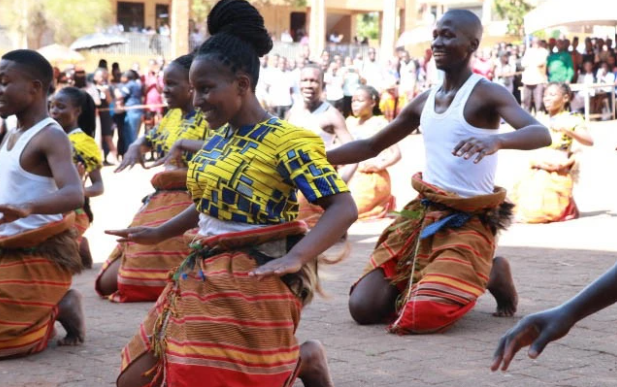
Traditional dressing among the Basoga has evolved over the years. In the past, bark cloth and animal skins were used before the introduction of cotton fabrics. Today, the most iconic attire for women is the gomesi, a brightly colored dress with puffed sleeves and a sash tied around the waist. It is worn especially during ceremonies, weddings, and cultural gatherings.
Men traditionally wore kanzus, which are long white tunics often paired with a jacket. The gomesi and kanzu remain symbols of cultural pride, although many Basoga wear modern Western clothes in daily life. Dressing is not just about fashion; it reflects identity, respect for tradition, and social status during ceremonies.
Way of Living
The Basoga are predominantly agriculturalists. Their way of living revolves around farming crops such as maize, cassava, millet, bananas, and sugarcane. Fishing from Lake Victoria and the River Nile also plays a big role in their livelihoods.
Most families live in rural homesteads, where extended family members share compounds. Houses were traditionally built with mud and thatch, though modern materials like bricks and iron sheets are now common. Community living is emphasized, with neighbors assisting one another in farming and ceremonies.
The Basoga enjoy music and dance, which are part of daily life as well as rituals. Traditional instruments like drums and lyres are used to celebrate events, communicate, and entertain. Festivals bring together clans, reinforcing solidarity.
Language
The Basoga speak Lusoga, a Bantu language closely related to Luganda and other Bantu dialects in the region. It is widely spoken across Busoga and has been preserved despite the influence of English and Swahili.
Lusoga is not only a means of communication but also a vessel of culture. Folktales, proverbs, riddles, and songs in Lusoga pass wisdom from one generation to another. The language is musical and expressive, reflecting the cheerful spirit of the people.
Today, efforts are being made to document and teach Lusoga in schools, ensuring it remains a living language. For the Basoga, speaking Lusoga is a strong marker of identity and pride.
The Basoga culture in Uganda is a vibrant blend of tradition, unity, and resilience. From their origins as Bantu settlers to their structured leadership under the Kyabazinga, the Basoga have maintained a unique identity. Their behavior reflects warmth and hospitality, while marriage traditions strengthen family and clan bonds. Their way of cooking, naming, dressing, and living continues to connect them with their ancestors, even in a modern world.
Language, particularly Lusoga, remains at the heart of their identity. In every aspect, the Basoga demonstrate the richness of Uganda’s cultural diversity. By preserving their traditions and adapting to change, they ensure that their culture remains strong for generations to come.