Banyoro Culture in Uganda: Preserving Heritage and Tradition
The Banyoro culture in Uganda is a rich tapestry of traditions, beliefs, and practices that have shaped the lives of the Banyoro people for centuries. Located primarily in the Bunyoro-Kitara Kingdom in western Uganda, the Banyoro are renowned for their strong sense of community, respect for tradition, and vibrant cultural heritage. The culture is deeply rooted in history, and it continues to influence modern lifestyles while preserving age-old customs. Understanding the Banyoro way of life provides a window into a society that values family, respect, and harmony with nature.
Origins and Historical Background
The Banyoro people trace their origins to the powerful Bunyoro-Kitara Kingdom, which was established around the 13th century. According to oral traditions, the kingdom was founded by the legendary King Isingoma Rukidi, whose lineage is still recognized today. Over centuries, the Banyoro developed a structured society governed by a monarchy and supported by clan systems. Historically, the kingdom was known for its strong military, organized governance, and rich agricultural practices, which laid the foundation for a thriving community. The history of the Banyoro reflects resilience, adaptability, and a deep connection to the land.
Traditional Leadership and Governance
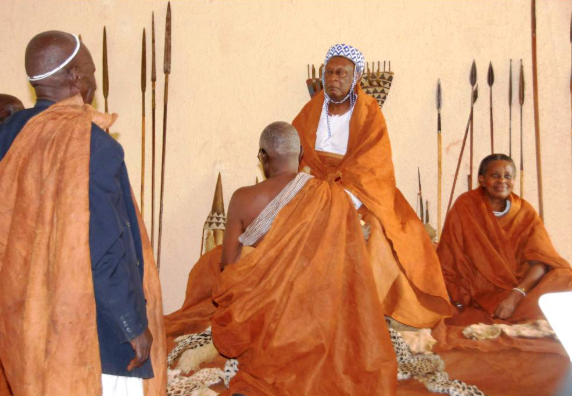
Leadership is a cornerstone of the Banyoro culture in Uganda. Traditionally, the king, or Omukama, is the central figure of authority, regarded as a custodian of both land and culture. The Omukama is supported by a council of elders, clan heads, and local chiefs who play critical roles in decision-making and conflict resolution. Leadership is hereditary, but it also emphasizes wisdom, courage, and service to the people. The respect for elders and the king reinforces social cohesion and ensures the continuity of traditions across generations.
Behaviour and Social Norms
The Banyoro are known for their disciplined behavior, hospitality, and strong communal spirit. Social conduct is guided by respect for elders, adherence to cultural norms, and a focus on community welfare. Children are raised to value honesty, humility, and cooperation, while adults are expected to contribute to societal harmony. Festivals, communal gatherings, and ceremonies play an essential role in reinforcing moral values, celebrating achievements, and maintaining social unity.
Marriage Traditions
Marriage in the Banyoro culture is a highly respected institution, symbolizing family bonds and community continuity. Traditional marriage often involves a series of negotiations between the families, with dowry (locally called omutango) being an essential component. Ceremonies are vibrant and full of cultural significance, including traditional dances, songs, and rituals that honor ancestors. Polygamy was historically practiced among the elite, though modern times have seen a shift towards monogamy. Marriages are not just unions between individuals but alliances between families and clans, reflecting the communal ethos of the Banyoro people.
Way of Cooking and Cuisine
Banyoro cuisine is a reflection of the region’s agricultural abundance and cultural preferences. The staple foods include matooke (steamed green bananas), millet, cassava, sweet potatoes, beans, and groundnuts. Meat from cattle, goats, and fish from nearby lakes is also common. Cooking is often a communal activity, where families gather to prepare meals using traditional methods such as roasting, boiling, and steaming. Local herbs and spices are used to enhance flavors, and communal feasts are a key feature during celebrations and ceremonies. Food is more than sustenance; it is a symbol of hospitality and cultural identity.
Naming Practices
Names among the Banyoro carry significant meaning and often reflect the circumstances surrounding a child’s birth, lineage, or clan heritage. A child’s name is chosen carefully to honor ancestors, express hopes for the future, or signify particular events. Names may also reflect the clan system, connecting individuals to a broader social and historical context. This practice preserves family histories and reinforces the sense of belonging within the community.
Traditional Dress and Adornment
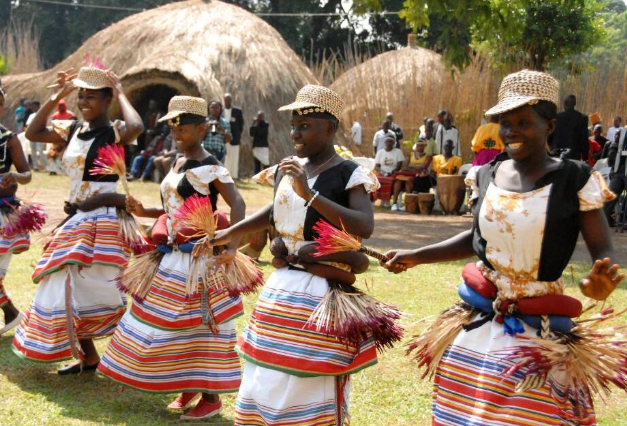
The traditional attire of the Banyoro is colorful, symbolic, and functional. Men often wear kikoi-style wraps or cloths, while women adorn themselves with vibrant dresses, beads, and necklaces. For special occasions, both genders decorate themselves with elaborate patterns, animal skins, and ceremonial ornaments. The attire signifies social status, marital status, and participation in specific cultural events. While Western clothing has become common in urban areas, traditional dress remains a vital expression of identity during festivals, marriages, and cultural ceremonies.
Daily Life and Living
The Banyoro way of living is closely tied to agriculture, livestock rearing, and community cooperation. Most families reside in homesteads composed of huts made from mud, grass, and timber. Life is organized around farming cycles, communal labor, and social gatherings. Storytelling, music, and dance play a central role in daily life, transmitting values, history, and lessons from generation to generation. Despite modernization, the Banyoro maintain strong ties to their roots, balancing traditional practices with contemporary life.
Language and Communication
Language is a core aspect of the Banyoro culture in Uganda. The Banyoro primarily speak Runyoro, a Bantu language rich in proverbs, idioms, and oral literature. Runyoro is used in daily communication, traditional ceremonies, storytelling, and formal rituals. The language is a vessel of cultural knowledge, preserving history, beliefs, and social norms. Teaching the younger generation Runyoro is considered essential for maintaining cultural continuity and identity.
The Banyoro culture in Uganda represents a resilient and vibrant society that cherishes tradition, community, and identity. From their historical roots in the Bunyoro-Kitara Kingdom to their modern-day practices, the Banyoro have maintained a unique cultural footprint characterized by respect for leadership, rich culinary traditions, meaningful naming practices, and expressive dress. Their language, rituals, and social norms continue to bind communities together, offering a glimpse into a culture that harmoniously blends history with contemporary life. The Banyoro culture in Uganda stands as a testament to the enduring strength and richness of Uganda’s cultural heritage, ensuring that future generations remain connected to their roots while navigating a rapidly changing world.