
The Enduring Legacy of the Banyankole Culture in Uganda
Nestled within the rolling hills and fertile plains of Southwestern Uganda lies the ancestral home of the Banyankole (also known as Ankole), a people whose rich cultural tapestry is woven with threads of history, pastoral pride, and a deep-seated sense of community. The Banyankole culture in Uganda is a fascinating study of a society historically structured around a unique cattle-breeding economy and a sophisticated monarchical system. This article delves into the origins, social structures, traditions, and contemporary practices that define the Banyankole, offering a comprehensive look at a culture that continues to thrive while adapting to the modern world.
Origins and Historical Foundations
The story of the Banyankole is intrinsically linked to the larger Bantu migration patterns that shaped much of sub-Saharan Africa. It is believed that their ancestors, part of the Bantu-speaking groups, migrated into the region now known as Uganda centuries ago, likely between the 14th and 16th centuries. They settled in the area called Kaaro-Karungi, a term meaning “the beautiful country,” which was later corrupted to “Nkore” by colonial officials and eventually became “Ankole.”
The society was traditionally divided into two main social groups: the Bahima (pastoralists) and the Bairu (agriculturalists). The Bahima were primarily cattle herders, renowned for their prized long-horned Ankole-Watusi cattle, which were not merely a source of food but the very foundation of their wealth, social status, and cultural identity. The Bairu, on the other hand, were cultivators, growing crops like millet, sorghum, and bananas. While this distinction was historically significant, defining roles, relationships, and even intermarriage patterns, it has become considerably less rigid in contemporary society. The evolution of this social dynamic is a central theme in the history of the Banyankole culture in Uganda.
Traditional Leadership: The Omugabe and a Hierarchical System
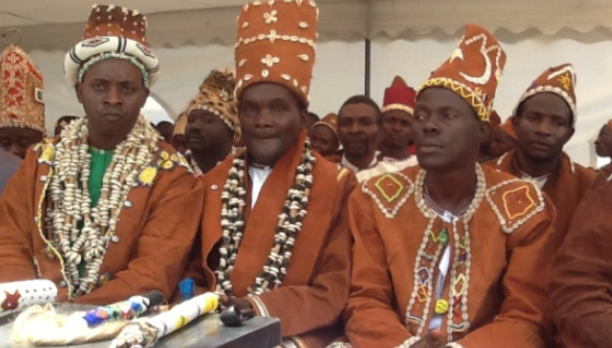
At the apex of traditional Banyankole leadership stood the Omugabe (king). The kingdom of Ankole was a highly organized monarchy where the Omugabe was not just a political leader but also a spiritual and cultural symbol. His authority was considered divinely sanctioned, and he was the ultimate custodian of the land and the people. The royal lineage, known as the Bahinda, traced its origins to the foundational rulers who established the kingdom.
Below the Omugabe was a hierarchical structure of chiefs and officials who administered various districts. Among the most important were the Enganzi (prime minister), who advised the king, and the Abakuru b’Emigyeka (county chiefs). This system ensured order, collected taxes (often in the form of cattle or produce), and resolved disputes. The monarchy was abolished in 1967 by the Ugandan government, but the cultural institution and the respect for the Omugabe remain a powerful force within the community, with many advocating for its restoration in a cultural capacity.
Social Behaviour and Community Values
The behaviour and social ethos of the Banyankole are deeply influenced by principles of respect, hospitality, and hard work. Respect for elders is paramount; greetings are elaborate and involve inquiries about one’s family and well-being. Deference is shown through specific gestures and language.
Hospitality, or okugyendera, is a cornerstone of their culture. A visitor is always welcomed warmly and offered food and drink, often without question. This generosity stems from a communal way of life where interdependence is key to survival and social cohesion. The value of hard work, whether in tending to a vast herd of cattle or tilling the land, is instilled from a young age. Furthermore, proverbs (emyeso) and folklore are used extensively to teach moral lessons, wisdom, and the history of the people, ensuring that core values are passed down through generations.
Marriage: Eishiki and the Bride Wealth
Marriage, known as Eishiki, is a deeply cherished institution and a union between two families rather than just two individuals. The process is elaborate and begins with the groom’s family making formal introductions to the bride’s family. The most significant aspect is the payment of bride wealth, traditionally known as okutorora.
For the pastoral Bahima, this almost exclusively involved cattle. The groom would present a specified number of cows to the bride’s family, a practice that cemented alliances and demonstrated his ability to provide. For the Bairu, agricultural products and livestock like goats were also included. While modern influences have seen the inclusion of money and other items, the symbolic transfer of wealth remains a vital part of the ceremony. The wedding itself is a vibrant celebration with music, dance (especially the Ekitagururo dance), and feasting, marking the official start of a new family.
Culinary Traditions: A Diet Sustained by the Land and Herd
The way of cooking and the staple foods of the Banyankole reflect their dual economic heritage. The most iconic dish is Eshabwe, a traditional delicacy made from ghee (clarified butter), salt, and sometimes rock salt. It is a white, creamy sauce typically served with Akaro (millet bread) or steamed green bananas (matooke). Eshabwe was historically associated with the Bahima, for whom dairy products were a primary food source.
The Bairu contributed staples like millet, sorghum, beans, and sweet potatoes. A common meal includes a starchy base like millet bread or matooke, accompanied by a stew of beans, peas, or meat. Obushera, a fermented millet porridge, is a popular and nutritious drink. Meat, particularly beef and goat, is consumed, though it was traditionally reserved for special occasions. Modern cuisine is a blend of these traditions, creating a unique and flavorful culinary identity for the Banyankole culture in Uganda.
Naming Conventions: Identity and Aspiration
The way of naming among the Banyankole is meaningful and often reflects the circumstances of a child’s birth, the family’s aspirations, or even the weather. A first name can be chosen to commemorate an event, express gratitude, or describe a trait the parents hope the child will embody. For example, a child born after a period of hardship might be named Kabarungi (good thing) or Ainembabazi (one with mercy).
Children are also given clan names and family names, connecting them to their lineage. Names are not just labels; they are narratives, carrying stories and hopes from one generation to the next. This practice reinforces the community’s deep connection to their personal and collective history.
Traditional Attire: Elegance and Status
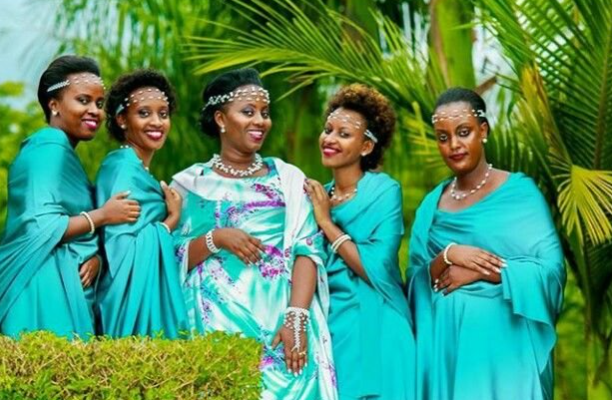
The traditional way of dressing is a vibrant expression of identity. For men, the typical attire was Kanju (a white shirt) and Suruali (trousers), often complemented by a long, flowing robe called Okweto. For formal occasions, they might wear a Busuuti (a long suit-like garment). Women traditionally wore a Suuka, a long cloth wrapped around the body and tied over the shoulder, often made from barkcloth or, later, cotton.
Adornment was, and still is, crucial. Elaborate beadwork for necklaces, bracelets, and ankles denoted social status, age, and marital status. The iconic Ankole long-horned cattle were also a common motif in jewellery. While Western clothing is now commonplace, traditional attire is proudly worn during cultural ceremonies, festivals, and weddings, serving as a powerful visual link to the past.
Way of Living: From the Kraal to the Modern World
The traditional way of living was organized around the homestead (eka). For the Bahima, this included the family home and the central cattle kraal (orugo), which was the heart of the homestead. Life revolved around the care of the herd—milking, grazing, and protecting the cattle. The Bairu homesteads were centered on their gardens and granaries.
Today, while many Banyankole still practice agriculture and pastoralism, the way of living has diversified significantly. Education and urbanization have led to careers in business, education, government, and all sectors of modern Ugandan society. However, the cultural core remains. The concept of family is still extended, communal land is often held in trust, and respect for tradition persists. This blend of the old and the new defines the contemporary experience of the Banyankole culture in Uganda.
Language: Runyankole as the Vessel of Culture
The language of the people is Runyankole (a Bantu language), alternatively known as Runyankore. It is the vessel through which proverbs, folklore, history, and values are transmitted. Its nuances, greetings, and specific vocabulary for cattle (with names for individual animals based on their colour and horn shape) reveal the culture’s priorities and worldview. While English and Swahili are official languages in Uganda, Runyankole is vigorously spoken at home and in local communities, ensuring the continuity of the oral literary tradition that is essential to the Banyankole culture in Uganda.
In conclusion, the Banyankole culture is a dynamic and resilient force. From its regal history and complex social structures to its evocative cuisine and meaningful traditions, it offers a unique window into the soul of southwestern Uganda. It is a culture that has gracefully navigated the tides of change, preserving its profound identity while actively participating in the nation’s future. Its enduring legacy continues to be a source of immense pride for its people.