Exploring the Bamba Culture in Uganda: A Unique Heritage
Uganda is home to a diverse range of ethnic groups, each with its own rich heritage and cultural practices. Among these, the Bamba culture in Uganda stands out for its distinct traditions, vibrant lifestyle, and strong community values. This article delves into the origins, social organization, customs, and daily life of the Bamba people, providing an in-depth understanding of their cultural identity.
Origins and History of the Bamba People
The Bamba people are primarily found in the Bundibugyo District, located in the western region of Uganda along the Rwenzori mountain range. Historical accounts suggest that the Bamba migrated from the neighboring Congo region centuries ago. Their settlement in Uganda was driven by the search for fertile land, security, and access to water sources. Over time, the Bamba developed a self-sustaining society, combining farming, hunting, and trade with neighboring communities.
Their history is deeply intertwined with the natural landscape of the Rwenzori Mountains, which has influenced their agricultural practices, housing styles, and spiritual beliefs. Understanding the origins of the Bamba is crucial for appreciating their customs and societal structure.
Traditional Leadership Among the Bamba
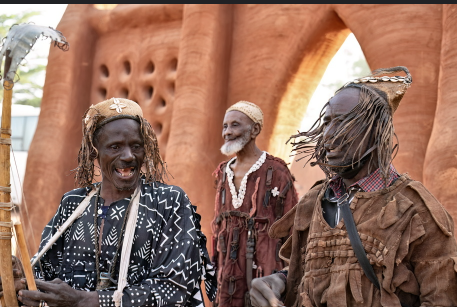
The Bamba society traditionally operates under a chief system known as the Omukama, who serves as the community leader and arbiter of disputes. Leadership is hereditary, passing from one generation to the next within ruling families. The Omukama is supported by a council of elders, often referred to as the Bataka, who assist in decision-making, maintaining order, and upholding cultural values.
The leadership structure emphasizes respect for authority and adherence to traditional laws. Decisions are often made collectively, ensuring that the welfare of the community is prioritized. This system has preserved harmony and unity within the Bamba society for generations.
Behaviour and Social Norms
The Bamba people are known for their cooperative and communal lifestyle. Social behaviour is guided by respect for elders, collective responsibility, and adherence to cultural rituals. Children are raised to honor their parents and elders, and personal achievements are often celebrated within the community.
Conflict resolution is primarily handled through dialogue and mediation, emphasizing reconciliation over punishment. This approach reflects the Bambas’ deep commitment to harmony and communal living, reinforcing bonds between families and neighbors.
Marriage Traditions of the Bamba
Marriage in the Bamba community is both a social and cultural institution. Traditionally, marriages are arranged by the families, though mutual consent is important. The process begins with courtship, followed by negotiations between families regarding bride price, which typically includes livestock, foodstuffs, or handmade crafts.
Ceremonies are vibrant, involving traditional music, dance, and storytelling. Women wear elaborately decorated garments, and men often adorn themselves with symbolic ornaments. Marriage is not only a union of individuals but also a bond between extended families, ensuring social cohesion and community support.
Culinary Practices and Way of Cooking
The Bamba cuisine is closely linked to their agricultural practices and natural environment. Staples include millet, bananas, sweet potatoes, and cassava, often accompanied by locally sourced vegetables and legumes. Meat, primarily goat or chicken, is consumed on special occasions.
Cooking methods are traditional and community-oriented. Food is often prepared over open fires, and meals are shared communally. Popular dishes include posho (maize meal), matoke (steamed green bananas), and locally brewed beverages. Culinary practices are deeply tied to festivals and rituals, highlighting the cultural significance of food in Bamba society.
Naming Customs and Significance
Names among the Bamba people carry deep cultural meaning, often reflecting circumstances of birth, ancestral heritage, or spiritual beliefs. Children may be named after events, natural phenomena, or qualities that parents hope their child will embody.
For example, a child born during a harvest season might receive a name associated with prosperity, while a child born after overcoming hardship may be given a name reflecting resilience. Naming ceremonies are elaborate events, involving family, friends, and community members, and mark the child’s formal introduction into society.
Traditional Attire and Dressing
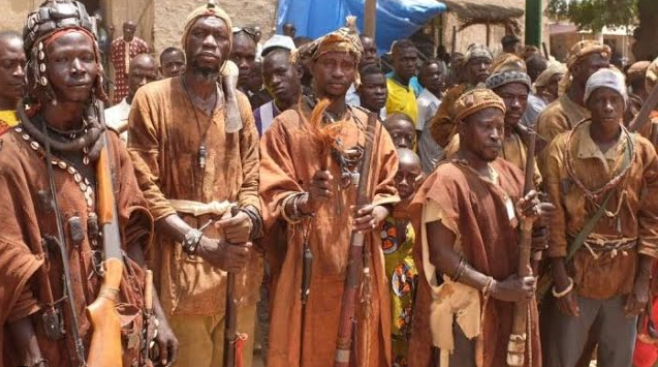
The Bamba people are known for their colorful and symbolic attire. Women traditionally wear woven skirts and blouses adorned with intricate patterns, often complemented by beadwork and accessories made from local materials. Men’s attire includes tunics, sashes, and decorative ornaments reflecting their social status and age.
During festivals, ceremonies, and dances, the Bamba wear vibrant costumes, often accompanied by handcrafted jewelry and headdresses. Dressing is not only a matter of aesthetics but also serves as a medium for expressing cultural identity, status, and community affiliation.
Daily Life and Community Living
Daily life among the Bamba is largely centered around agriculture, family, and community engagement. Farming is the primary occupation, with men typically tending to crops and women managing household duties and food preparation. Children assist in farming and domestic chores, learning essential skills from a young age.
Communal living is an integral part of Bamba culture. Villages are often organized in close-knit clusters, allowing families to support one another. Festivals, storytelling, and music serve as avenues for socialization, knowledge transfer, and the reinforcement of cultural values.
Language and Communication
The Bamba speak the Bamba language, a Bantu language rich in proverbs, idioms, and oral traditions. Language plays a central role in preserving culture, transmitting folklore, and fostering social cohesion. Elders are regarded as custodians of linguistic heritage, passing down stories, songs, and historical accounts to younger generations.
Proficiency in the language is seen as a mark of identity and belonging, making it a vital aspect of Bamba cultural preservation.
The Bamba culture in Uganda is a vibrant and multifaceted heritage that reflects the community’s resilience, creativity, and social cohesion. From their traditional leadership and marriage practices to their culinary customs and clothing, the Bamba have maintained a unique identity amidst Uganda’s diverse cultural landscape.
By understanding their origins, social norms, daily life, and language, one gains a deeper appreciation for the richness of Bamba traditions. Preserving and promoting this cultural heritage is essential, ensuring that future generations continue to celebrate and honor the legacy of the Bamba people.