
The Rich Heritage of Bakiga Culture in Uganda
The Bakiga are one of the most vibrant and culturally distinct groups in Uganda, primarily found in the southwestern highlands of the Kigezi region. They are known for their resilience, hardworking nature, and deep cultural values that have shaped their way of life for centuries. Bakiga culture in Uganda is not only about traditions and customs but also about the strong identity of a people who have preserved their heritage despite modernization. Their lifestyle, leadership systems, marriage customs, cooking, naming patterns, and language continue to fascinate both Ugandans and foreign researchers interested in African cultural diversity.
How the Bakiga Started
The Bakiga trace their origin to migrations from Rwanda centuries ago. Oral traditions suggest that they were once part of the larger Banyarwanda ethnic group before moving northward into the hilly areas of Kigezi. The steep terrain required them to adapt by becoming expert terrace farmers, cultivating crops on hillsides that were otherwise unsuitable for agriculture. Their migration and settlement in the mountainous areas forged a spirit of endurance and unity that still defines them today.
Early Bakiga communities lived in scattered homesteads, reflecting the geography of the land, which was not conducive to clustered villages. This settlement pattern fostered independence and self-reliance, values still admired among the Bakiga. Their origin story highlights how migration, environment, and necessity played key roles in shaping Bakiga culture in Uganda.
Traditional Leadership Among the Bakiga
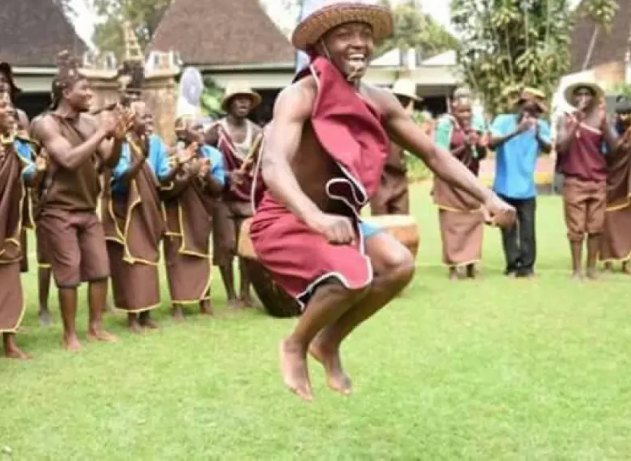
Unlike many other Ugandan ethnic groups that had centralized monarchies, the Bakiga followed a more decentralized leadership system. They were organized under clan heads and respected elders rather than kings. Elders were chosen based on wisdom, age, and ability to settle disputes fairly. Their authority was reinforced by cultural values of respect and consensus.
The clan system remains vital in preserving unity. Each clan has taboos and unique practices, and intermarriage within the same clan was strictly forbidden. The absence of centralized kingship made the Bakiga more democratic in decision-making, with communal gatherings called “Ekika” where issues of land, marriage, and conflicts were resolved collectively. This system is a clear example of how the Bakiga culture in Uganda emphasizes equality and collective responsibility.
Behaviour and Values of the Bakiga
The Bakiga are often described as courageous, hardworking, and straightforward. Their ancestors were warriors who defended their territory against invaders, and this bravery became a defining trait. They are also known for their industrious spirit, which is evident in their terraced farming that requires intense labor and commitment.
Community cooperation is another notable aspect of their behavior. During farming seasons, families often help each other in a system called “obuhingu,” where groups rotate labor among households. Socially, they value honesty and hospitality, treating guests with food and respect. These behavioral traits have made the Bakiga stand out in Ugandan society as dependable and resilient people.
Marriage in Bakiga Culture
Marriage is a significant institution in Bakiga culture, symbolizing not just the union of two individuals but the merging of clans and families. Traditionally, marriage negotiations were conducted by elders. The groom’s family presented bride price, which often included cows, goats, and agricultural produce. Cattle were particularly important, reflecting wealth and the seriousness of the marriage proposal.
Polygamy was practiced in the past, though monogamy has become more common in modern times. Weddings were marked by vibrant dances, especially “ekizino,” a lively and energetic dance that remains central to Bakiga celebrations. Women were valued for their hard work in farming, and this made them indispensable partners in marriage.
Way of Cooking and Food Culture
Food is a major expression of identity, and the Bakiga have distinct culinary traditions. Their staple food is “obushera,” a fermented sorghum porridge served during ceremonies, daily meals, and as a symbol of hospitality. Another popular dish is “obuhunga,” prepared from millet or sorghum flour.
The Bakiga also enjoy sweet potatoes, beans, and Irish potatoes, which thrive in the cool highland climate. Meat, especially goat and cow, is consumed during special occasions. Food preparation is typically communal, with women playing a central role in cooking, though men assist during big ceremonies. Their cooking reflects simplicity, nourishment, and a deep connection to farming.
Naming Traditions
The naming system among the Bakiga is unique and meaningful. Children are often given names that reflect circumstances of birth, hopes for the future, or physical characteristics. For example, a child born during a famine might be called “Turyasingura” (we shall overcome). Names often carry stories and lessons, serving as cultural markers for future generations.
Clan identity also influences naming, with certain names reserved for specific lineages. This tradition ensures continuity of family heritage while reinforcing clan belonging. Naming ceremonies are joyful events that affirm the place of the child within the community.
Way of Dressing
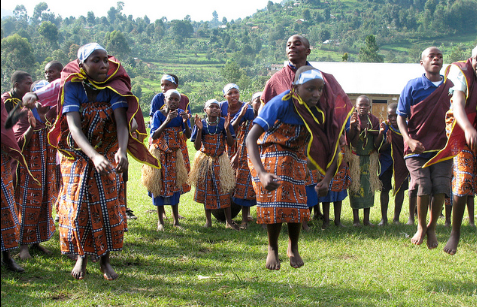
Traditional dressing among the Bakiga was simple but symbolic. Men commonly wore skins of goats or cattle tied around their waist, while women adorned themselves in bark cloth or woven garments. With modernization, these were replaced by cotton clothing, but traditional attire is still worn during cultural ceremonies.
Women are also known for wearing beads and ornaments that highlight beauty and social status. Today, the fusion of modern and traditional wear showcases the adaptability of Bakiga culture in Uganda while keeping ancestral heritage alive.
Way of Living
The Bakiga traditionally lived in round grass-thatched huts called “Enyumba.” These huts were built using local materials like wood, grass, and mud, reflecting resourcefulness and connection to the environment. The household was self-sufficient, with granaries for storing food, kraals for animals, and gardens for crops.
They are deeply tied to land ownership, as agriculture is the backbone of their livelihood. Families emphasize hard work, discipline, and cooperation in daily life. Storytelling around fireplaces, communal farming, and traditional dances were integral aspects of social living. This way of life has evolved with modernization, but many rural Bakiga communities continue to embrace traditional living patterns.
Language of the Bakiga
The Bakiga speak “Rukiga,” a Bantu language closely related to Runyankore. It is rich in proverbs, idioms, and expressions that convey wisdom and cultural values. Language is a key vehicle for transmitting traditions, songs, and oral history.
Rukiga remains widely spoken in Kabale, Kisoro, Kanungu, and Rukungiri districts, where the Bakiga predominantly live. Efforts have been made to preserve it through education and literature, ensuring that future generations continue to appreciate their mother tongue. The use of Rukiga in songs, poems, and storytelling underscores the resilience of the Bakiga culture in Uganda.
The Bakiga are a people of resilience, rich traditions, and enduring values. From their origins in Rwanda to their settlement in the Kigezi highlands, they have maintained a culture rooted in hard work, hospitality, and communal life. Their unique practices in leadership, marriage, cooking, naming, dressing, and language set them apart among Ugandan ethnic groups.