
The Bagwere Culture in Uganda
The Bagwere are one of the unique Bantu-speaking ethnic groups of eastern Uganda, primarily residing in the districts of Budaka, Pallisa, Kibuku, and parts of Mbale and Kaliro. Their identity is deeply tied to their traditions, social organization, and values that have endured through generations. Unlike some other Ugandan communities whose cultural practices have been overshadowed by modern influences, the Bagwere have carefully maintained their customs, passing them down to ensure that their heritage remains vibrant. Understanding the Bagwere culture in Uganda provides a window into how a society sustains its traditions while adapting to a rapidly changing world.
How They Started
The Bagwere trace their origins to early Bantu migrations from central Africa. Oral history suggests that their ancestors moved into the fertile lands of present-day eastern Uganda centuries ago, settling along the shores of Lake Kyoga and the surrounding wetlands. These areas provided both fishing and farming opportunities, which became the backbone of their livelihood. Over time, the community expanded, and clans were formed as social units that provided structure and identity.
Each clan developed distinct totems—often animals, birds, or plants—that held spiritual significance and guided their conduct. For example, members of a clan whose totem is the crocodile are forbidden from harming or eating it. This tradition not only reinforced social identity but also served as an indigenous form of environmental conservation. The foundation of the Bagwere’s identity rests upon these clan systems, which continue to play a key role in their social life.
Traditional Leadership
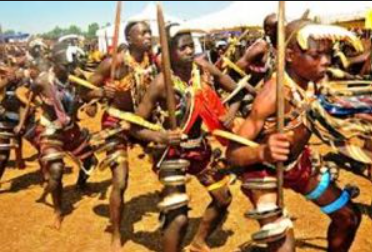
The Bagwere’s traditional leadership is structured around clan heads known as Abamasaba or Bamasaba ba Lunyiriri. Each clan is autonomous but interconnected through cultural ties. The leaders serve as custodians of customs, mediators in disputes, and guides in ritual practices. While Uganda has a modern political system, clan leadership among the Bagwere remains highly respected because it embodies wisdom, heritage, and unity.
Ceremonies such as clan gatherings and cultural festivals are organized under the guidance of these leaders, ensuring that practices are observed correctly. Even today, when conflicts arise within families or communities, many prefer to consult the clan elders before turning to formal courts. This system preserves harmony and strengthens the bonds of kinship.
Behaviour and Social Values
The Bagwere are widely known for their communal lifestyle. They emphasize respect for elders, mutual assistance, and collective decision-making. Children are taught from an early age to greet elders politely, help with domestic chores, and share responsibilities with siblings. Hospitality is also a notable trait—visitors are warmly welcomed and often served food and drink as a sign of respect.
Hard work is highly valued, particularly in farming, which remains the primary economic activity. Laziness is frowned upon, and diligence is praised as a virtue. Social cohesion is maintained through strict taboos that guide behaviour. For instance, quarrels during communal gatherings are discouraged, and harmony is emphasized through reconciliation practices.
Marriage Customs
Marriage in the Bagwere culture is a deeply respected institution that reflects both social alliances and family honor. Traditionally, marriage negotiations begin with okuzina omukago (making a friendship pact) between the groom’s and bride’s families. The groom’s family presents gifts such as goats, cows, millet flour, and beer to demonstrate their commitment.
Bride price, known as omutwalo, is an important aspect of marriage negotiations. It is not merely a transaction but a symbolic gesture of appreciation to the bride’s family for raising her. However, the practice is flexible, and negotiations allow for adjustments depending on the financial capacity of the groom’s family.
Wedding ceremonies are vibrant, marked by music, dance, and feasting. Traditional dances such as ekizino and amagunju are performed, with drums and horns creating a festive atmosphere. The bride is often adorned in colorful attire, and blessings from elders are given to ensure fertility, harmony, and prosperity.
Way of Cooking
The Bagwere are primarily agriculturalists, and their cuisine reflects the crops they grow. The staple foods include millet, cassava, sorghum, and maize, often complemented by beans, groundnuts, and vegetables. Millet bread (obuwembe) is a traditional delicacy, prepared by mixing millet flour with boiling water to form a smooth, sticky dough. It is commonly eaten with sauces made from groundnut paste, smoked fish, or beans.
They are also known for their banana-based meals. Steamed bananas (matooke) are often prepared for special occasions. Cooking methods are simple yet effective, with food usually boiled or steamed in banana leaves to retain natural flavors. Shared meals emphasize unity, as family members eat together from one dish, reinforcing the value of togetherness.
Way of Naming
Names in Bagwere society carry deep meaning, often reflecting circumstances of birth, ancestral lineage, or moral lessons. For instance, a child born during times of hardship may be given a name symbolizing perseverance, while one born after a long wait may receive a name signifying joy.
Clan affiliations also influence naming practices. Children often inherit clan names, which connect them to their heritage and identity. Spirituality plays a role as well, with some names expressing gratitude to God or ancestral spirits. Through names, the Bagwere ensure that each individual carries a story tied to both personal and collective history.
Way of Dressing
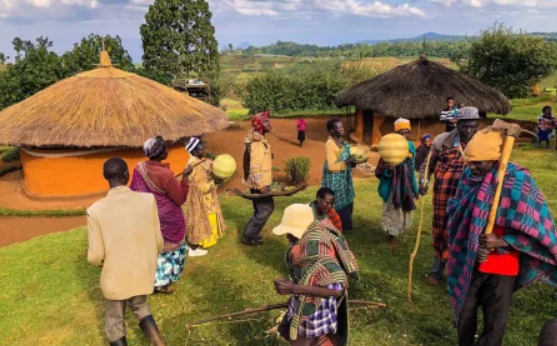
Traditionally, Bagwere men wore animal skins or bark cloth tied around the waist, while women wore grass skirts or bark cloth wraps. Over time, cotton clothing introduced by Arab and European traders replaced these earlier forms. Today, traditional attire is mostly reserved for cultural ceremonies and weddings.
For special occasions, women often wear gomesi, a brightly colored dress with a sash, while men wear kanzu, a long white tunic often complemented with a jacket. Beads, bangles, and headscarves are used to enhance the traditional look. These garments symbolize cultural pride and are a way of preserving heritage despite modern influences.
Way of Living
The Bagwere have historically lived in homesteads known as obusulo, which consist of several huts built around a central courtyard. Each hut is designated for specific purposes—sleeping, cooking, or food storage. The central courtyard is a communal space where family members gather for meals, storytelling, and meetings.
Farming defines their daily life. Men traditionally clear land and fish, while women plant, weed, and harvest crops. Livestock such as goats, cows, and chickens are kept both for food and for use in cultural rituals. The communal way of living fosters unity, as families often share resources during planting and harvesting seasons.
Education and religion have gradually influenced their lifestyle. Christianity is dominant, although some traditional spiritual practices remain. Modern houses built with bricks and iron sheets are increasingly replacing traditional huts, yet rural areas still retain much of the old homestead design.
Language
The Bagwere speak Lugwere, a Bantu language closely related to Lusoga and Luganda. Lugwere is tonal, and its richness lies in the use of proverbs, idioms, and folktales to convey wisdom. For example, proverbs are often used in daily conversations to teach moral lessons or to resolve disputes in a subtle but powerful way.
Although Lugwere is still widely spoken in rural areas, younger generations are increasingly exposed to English and Luganda through schools and urban migration. Efforts are ongoing to preserve Lugwere through radio programs, written literature, and cultural initiatives. The language is not only a means of communication but also a vital vessel of the Bagwere identity.
The Bagwere culture in Uganda is a remarkable tapestry of traditions, values, and practices that have been nurtured across generations. From their origins and clan systems to their food, marriage customs, and leadership structures, the Bagwere embody a way of life rooted in unity, respect, and heritage. While modern influences continue to reshape aspects of their society, the Bagwere remain committed to safeguarding their cultural identity. By celebrating their unique customs, they contribute to Uganda’s diverse cultural mosaic and provide valuable lessons about resilience, belonging, and continuity.