Bagisu Culture in Uganda: A Rich Heritage of Tradition and Identity
The Bagisu culture in Uganda is a vibrant and enduring expression of heritage, traditions, and social practices. The Bagisu, also known as the Bamasaba, primarily inhabit the eastern region of Uganda, especially around Mount Elgon in the Mbale District. Their culture is deeply rooted in community life, reflecting values, beliefs, and customs that have been preserved over generations. Known for their unique language, ceremonies, and customs, the Bagisu people offer a fascinating glimpse into the traditions of Uganda’s ethnic diversity.
Origins and History of the Bagisu People
The origins of the Bagisu are traced back to migrations from the Bantu-speaking groups of central Africa. Oral traditions suggest that their ancestors settled on the fertile slopes of Mount Elgon, attracted by the rich soils and abundant water sources. Over centuries, the Bagisu developed distinct social structures and cultural practices that set them apart from neighboring communities. Their history is intertwined with resilience and adaptation, as they navigated colonial influences while maintaining their cultural identity.
Traditional Leadership Among the Bagisu
Leadership within the Bagisu culture in Uganda is traditionally organized around clan structures and elders’ councils. Each clan, or omukama, plays a significant role in decision-making, conflict resolution, and the preservation of cultural practices. The council of elders, known as abasiki, guides on community matters, particularly during rites of passage, land disputes, and customary marriages. While modern governance has influenced some aspects of leadership, the respect for elders and clan heads remains a cornerstone of Bagisu social organization.
Social Behaviour and Community Values
The Bagisu are renowned for their strong sense of community, hospitality, and respect for elders. Social interactions are guided by cultural norms that emphasize cooperation, unity, and mutual support. Storytelling, music, and dance play a crucial role in teaching moral values and history to younger generations. Within the Bagisu culture in Uganda, communal activities such as farming, market gatherings, and ceremonial preparations reinforce social cohesion and interdependence among members.
Marriage Customs and Ceremonies
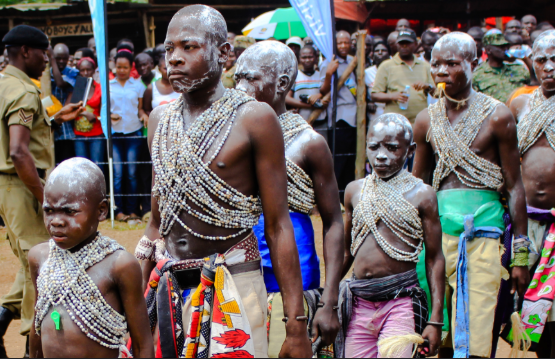
Marriage is a central aspect of Bagisu life, reflecting both social alliance and cultural continuity. Traditional marriages involve elaborate negotiations, bride price (omutango), and ceremonies that can last several days. The engagement period includes rituals performed by family elders to ensure harmony and blessings for the couple. Initiation rites, which include circumcision for boys (imbyeyo) and preparation for girls, play a pivotal role in preparing individuals for adult responsibilities, including marriage. These rites symbolize courage, maturity, and readiness to contribute to society.
Culinary Traditions and Way of Cooking
The culinary practices of the Bagisu are a vivid reflection of their agricultural lifestyle. Staples include millet, sorghum, bananas, cassava, and vegetables grown on Mount Elgon’s fertile slopes. Traditional cooking methods often involve open-fire stoves and clay pots, which infuse meals with rich flavors. Popular dishes include malewa (bamboo shoots) and kalo (banana-based porridge), often served during communal gatherings and festive events. The Bagisu also use fermented foods and traditional brewing techniques, which highlight the ingenuity and resourcefulness embedded in their culture.
Naming Practices and Significance
In the Bagisu culture in Uganda, names hold deep cultural and spiritual significance. Children are named based on the circumstances surrounding their birth, family lineage, or attributes parents wish to associate with their offspring. For example, names might reflect the season of birth, a memorable event, or qualities such as strength and resilience. Naming ceremonies are communal affairs, with elders and relatives participating to bless the child and formally introduce them to the clan. These practices reinforce identity and connect individuals to their ancestral heritage.
Traditional Dress and Attire
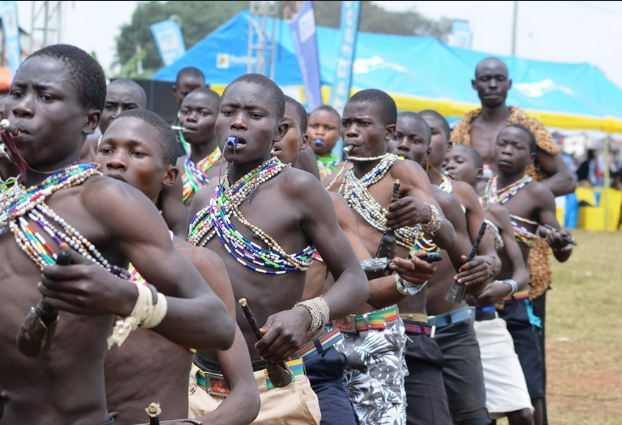
The Bagisu have distinctive traditional attire that symbolizes their cultural identity. During ceremonies and festivals, men often wear kikoi wraps, beads, and headbands, while women adorn themselves in colorful skirts, bead necklaces, and decorative scarves. Clothing serves not only as protection and comfort but also as a marker of social status and marital status. During initiation and circumcision ceremonies, participants wear specific garments that signify their stage in life and adherence to cultural values. Modern influences have introduced new fabrics, but traditional attire remains central to ceremonial and community events.
Daily Life and Lifestyle
Daily life among the Bagisu revolves around agriculture, family, and communal activities. Farming is the main economic activity, with crops such as bananas, coffee, maize, and beans dominating the landscape. Community labor, known as ganda, involves neighbors helping one another with farming, construction, and ceremonies. Education and religious practices have blended with traditional life, yet the Bagisu maintain respect for ancestral customs and natural resources. Festivals, dances, and storytelling sessions punctuate daily routines, ensuring that traditions are passed down through generations.
Language and Communication
Language is a vital aspect of the Bagisu culture in Uganda, as it preserves history, oral traditions, and social norms. The Bagisu speak Lumasaba, a Bantu language rich in proverbs, idioms, and oral literature. Lumasaba serves as a medium for teaching values, conducting rituals, and expressing communal identity. Fluency in the language fosters social cohesion and continuity of traditions, making it a crucial element of cultural preservation.
The Bagisu culture in Uganda represents a remarkable blend of tradition, community values, and resilience. From initiation ceremonies and marriage customs to unique culinary practices and language, the Bagisu have maintained their identity amidst social and economic changes. Understanding and appreciating their culture provides insight into Uganda’s rich ethnic diversity and highlights the importance of preserving indigenous traditions for future generations.