
Bafumbira Culture in Uganda: Traditions, Heritage, and Way of Life
Uganda is home to a rich mosaic of ethnic groups, each with unique traditions and customs. Among these communities is the Bafumbira, who mainly inhabit Kisoro District in the southwestern part of the country, near the borders of Rwanda and the Democratic Republic of Congo. Known for their industriousness, hospitality, and strong cultural identity, the Bafumbira are a fascinating people whose practices reflect a blend of history, values, and traditions. The Bafumbira culture in Uganda is deeply rooted in communal living, kinship, and respect for both ancestral and societal norms. This article explores their origins, leadership structures, behaviors, marriage customs, cooking methods, naming traditions, dressing styles, ways of living, and language.
How the Bafumbira Started
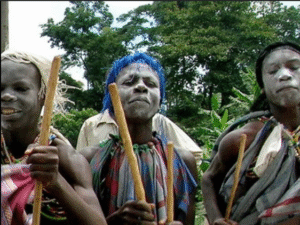
The Bafumbira trace their ancestry to the broader Banyarwanda people, particularly the Bahutu, Batutsi, and Batwa. Historical migration patterns indicate that they moved into the present-day Kisoro region several centuries ago from Rwanda, drawn by the fertile volcanic soils and rich grazing land. Over time, they established settlements in the hilly and mountainous terrain around the Virunga ranges.
Despite sharing ethnic ties with the Banyarwanda, the Bafumbira developed a unique cultural identity influenced by their geographical location and interactions with neighboring groups such as the Bakiga and Batwa. Oral traditions suggest that early clans were organized around kinship ties, with elders acting as custodians of cultural practices. The shared struggles of surviving in the highlands reinforced unity and communal spirit, which remains central to their identity.
Traditional Leadership
Traditional leadership among the Bafumbira is clan-based. Clans are the foundation of social organization, and each has a leader known as the Umukuru w’umuryango (head of the clan). These leaders act as custodians of cultural practices, arbiters in conflicts, and decision-makers in important matters.
The clan leaders are respected not just for their authority but also for their wisdom and ability to preserve harmony. While the colonial and post-colonial periods introduced centralized forms of governance, traditional leadership continues to hold significance in Kisoro. Elders are particularly influential in rituals, marriage negotiations, and resolving land disputes. Leadership is less about coercion and more about consensus and mutual respect.
Behaviour of the Bafumbira
The Bafumbira are widely recognized for their hardworking nature. Living in the rugged terrain of Kisoro, they are primarily farmers and traders. Their behavior is characterized by diligence, resilience, and communal support. Respect for elders is deeply ingrained, and obedience to cultural norms is a mark of good character.
Socially, they value cooperation and generosity. Neighbors often assist one another during harvests, weddings, or times of difficulty. Hospitality is also a hallmark of the community; visitors are welcomed warmly and offered food, often with no expectation of repayment. Moral values such as honesty, discipline, and responsibility are emphasized from childhood.
Marriage Customs
Marriage in the Bafumbira tradition is a community affair and an important rite of passage. It begins with negotiations between families, often led by elders. The groom’s family presents bridewealth—typically in the form of cows, goats, and money—to the bride’s family as a token of appreciation and a symbol of unity between the families.
The ceremony itself is vibrant, with traditional songs, dances, and blessings. Marriage is not only a union between two individuals but also between families and clans. Polygamy was practiced in the past, though today monogamy is more common due to social and economic changes. The role of women in marriage is highly valued, as they are seen as nurturers and custodians of family honor. Divorce is rare and generally discouraged, as family bonds are meant to last.
Way of Cooking
Food is central to daily life, and the Bafumbira are skilled in preparing meals that reflect their agricultural lifestyle. Their staple diet includes potatoes, sorghum, beans, millet, and maize. Irish potatoes, grown abundantly in Kisoro’s fertile volcanic soils, are a signature crop and a key ingredient in many dishes.
Traditional cooking methods involve boiling, steaming, and roasting. Millet porridge (obushera) is common, often served at ceremonies and communal gatherings. Meat, especially beef and goat, is consumed during special occasions. Milk also plays an important role, particularly among families with cattle. Cooking is generally communal, with women playing a leading role in food preparation, while men provide meat and other resources.
Way of Naming
The naming system among the Bafumbira is rich in symbolism and meaning. Children are usually named after the circumstances surrounding their birth, the ancestral lineage, or the aspirations of their parents. Names are often drawn from Kinyarwanda origins, reflecting the linguistic and cultural ties to Rwanda.
For example, names may reflect gratitude (Ndikumana, meaning “I am with God”), circumstances (Twizerimana, meaning “we trust in God”), or honor ancestors by carrying forward their names. Naming ceremonies are family-centered events, celebrating new life and continuity of lineage. Names also serve as a marker of identity and belonging within clans.
Way of Dressing
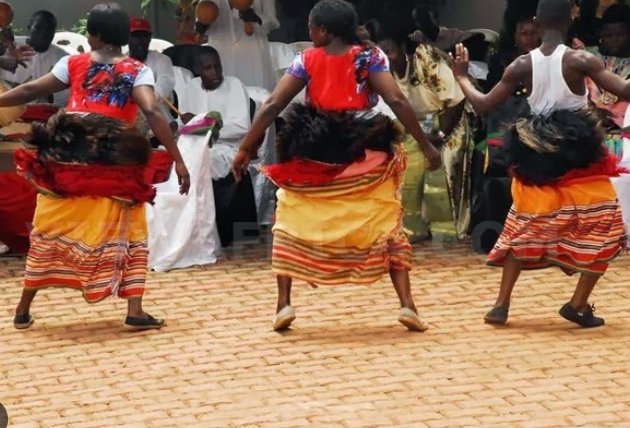
Traditional dressing among the Bafumbira has transformed over time. Historically, men wore garments made from animal hides, while women dressed in cloths wrapped around the body. Today, modern clothing dominates, though cultural wear is still embraced during ceremonies.
Women often wear gomesi or traditional wraps, while men wear kanzu during formal occasions. Beads, necklaces, and headscarves are part of women’s adornment, symbolizing beauty and cultural pride. During dances, colorful costumes are worn, adding vibrancy and rhythm to performances. Dressing is not only about appearance but also about showing respect for tradition and identity.
Way of Living
The Bafumbira live in close-knit communities, typically in homesteads built on hilly terrain. Houses are often constructed from mud and wattle, though modern brick houses are increasingly common. Family is the central unit of society, and communal life is emphasized.
Agriculture is the main livelihood, with crops such as potatoes, sorghum, maize, and beans sustaining families. Cattle keeping is also important, both for milk and as a measure of wealth. Market trading is widespread, with Kisoro town serving as a hub for commerce.
Religion plays a central role in daily life, with Christianity being the dominant faith. However, elements of traditional spirituality, such as ancestral respect, remain woven into cultural practices. Festivals, community gatherings, and storytelling sessions strengthen bonds among people.
Language
The primary language spoken by the Bafumbira is Rufumbira, which is linguistically similar to Kinyarwanda, the language of Rwanda. Rufumbira belongs to the Bantu language family and shares many words and structures with Runyankore, Rukiga, and other regional dialects.
Language is not only a tool of communication but also a carrier of identity and heritage. It is through Rufumbira that oral traditions, proverbs, songs, and cultural values are passed down from generation to generation. While Kiswahili and English are also used, particularly in education and trade, Rufumbira remains central to preserving Bafumbira culture in Uganda.
The Bafumbira culture in Uganda is a vibrant expression of identity, resilience, and tradition. From their origins in the highlands of Kisoro to their distinctive ways of cooking, naming, and dressing, the Bafumbira continue to uphold values that strengthen family and community life. Their behavior reflects hard work, respect, and hospitality, while their marriage customs emphasize unity and continuity. Leadership remains grounded in clan structures, and language binds them together as a people.