Alur Culture in Uganda: Traditions, Lifestyle, and Heritage
The Alur culture in Uganda represents one of the fascinating and rich heritages of the country. The Alur people, part of the larger Luo ethnic group, are primarily found in the northwestern region of Uganda, especially in Nebbi, Zombo, and Arua districts. Their culture reflects a blend of age-old traditions, vibrant social norms, and a strong sense of community. This article explores their origins, customs, leadership, daily life, and language, providing an in-depth view into the Alur way of life.
Origins and Early History of the Alur People
The Alur are believed to have migrated from the Bahr el Ghazal region in South Sudan, settling along the Albert Nile in northwestern Uganda. Historically, the Alur were pastoralists and fishermen, relying on the fertile lands and water resources for survival. Over time, they adopted mixed agriculture, cultivating crops such as millet, sorghum, maize, and cassava, which remain staples in their diet today.
The migration of the Alur was influenced by both environmental factors and the search for peaceful settlement areas. Oral histories passed down through generations describe their early settlement patterns along the Nile, where fishing and cattle herding became central to their culture.
Traditional Leadership Among the Alur
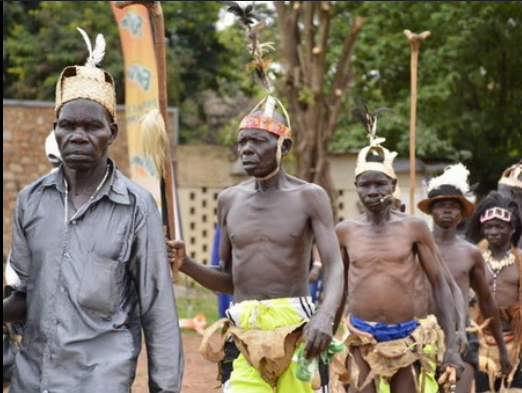
Traditional leadership plays a vital role in the Alur culture in Uganda. The Alur have a system of chieftaincy led by a Paramount Chief, known locally as the Rwot. The Rwot oversees several sub-chiefs, who in turn manage smaller clan territories. Leadership is hereditary, usually passing from father to son, but the community also considers the candidate’s wisdom, courage, and leadership qualities.
The Rwot holds authority over social disputes, land issues, and cultural ceremonies. Elders, known as Jop, support the Rwot in decision-making. This leadership structure ensures cohesion, justice, and the preservation of customs within the Alur society.
Social Behavior and Community Life
The Alur people are known for their hospitality, communal living, and respect for elders. Social behavior is guided by deep-rooted traditions, including collective farming, shared labor during construction, and community celebrations.
Respect for elders is paramount; younger people greet them with appropriate gestures and participate in their guidance. The Alur also place a strong emphasis on age-sets, where people of similar age groups perform communal duties together, creating a sense of unity and shared responsibility.
Marriage Customs Among the Alur
Marriage in the Alur culture is more than a personal union; it is a social contract linking families and clans. Traditional marriage, known as “Pwo”, involves several stages, including courtship, bride price negotiation, and ceremonial rituals.
The bride price, often paid in cattle or goats, signifies the groom’s commitment and the union of the two families. Marriage ceremonies involve elaborate dances, songs, and feasting, showcasing the Alur’s rich cultural expressions. Polygamy was traditionally accepted, though modern Alur communities now practice monogamy more frequently.
Traditional Cooking and Cuisine
Food is a central aspect of Alur culture, reflecting their agricultural roots and riverine lifestyle. Staples include millet, sorghum, maize, and cassava, often prepared as porridge or bread. Fish from the Nile is a major protein source, smoked or fried for preservation.
Common dishes include “Kwete”, a millet porridge, and “Okwere”, a vegetable stew often accompanied by cassava. Cooking methods are traditional, using clay pots over open fires, which gives the food a distinctive flavor. Meals are often communal, eaten together in family circles, reinforcing social bonds.
Naming Traditions
The Alur culture in Uganda places great importance on naming practices. Children are named based on circumstances of birth, ancestral lineage, or notable events. Names carry meanings that reflect the child’s identity, family history, or aspirations for the future.
For example, a child born during the rainy season may receive a name associated with rain or fertility, while others may be named after respected elders. This tradition ensures that the Alur maintain strong connections to their heritage and history.
Traditional Dress and Adornments
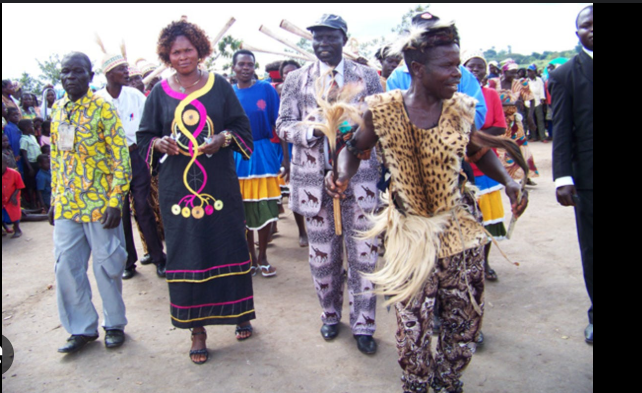
The Alur have distinctive clothing traditions that reflect both practicality and identity. Men traditionally wear cloth wraps called “Lubo”, while women wear brightly colored dresses, often complemented with beads, necklaces, and bracelets. During ceremonies, elaborate adornments such as feathered headgear, waistbands, and decorated sandals are common.
These traditional outfits are not only worn during ceremonies but also serve as markers of social status, marital status, and age-set membership. Even today, while modern clothing is prevalent, traditional attire is preserved for festivals, weddings, and cultural events.
Daily Life and Way of Living
The Alur people live in close-knit communities, often in compounds shared by extended families. Houses are traditionally made from mud, wattle, and thatch, though modern materials are gradually being adopted. Daily life revolves around agriculture, fishing, and livestock rearing, ensuring a sustainable livelihood.
Community cooperation is highly valued. Activities such as building homes, planting crops, and preparing communal feasts are done collectively, reinforcing social bonds. Storytelling, music, and dance are integral parts of everyday life, serving as both entertainment and a means of preserving history and moral lessons.
Language and Communication
Language is a crucial aspect of the Alur identity. The Alur speak Alur, a Luo language closely related to Acholi and Lango. It serves as a medium for oral traditions, proverbs, songs, and rituals.
Fluency in Alur is essential for participating in cultural ceremonies, understanding folklore, and maintaining the continuity of ancestral knowledge. The language also plays a role in conflict resolution and community governance, as elders and leaders communicate wisdom through nuanced expressions and traditional phrases.
Preserving the Alur Culture in Modern Times
Despite modernization, the Alur culture in Uganda continues to thrive, with efforts to document and celebrate traditions. Cultural festivals, music, and dance performances attract both locals and tourists, fostering cultural pride. Education and technology are increasingly integrated with traditional practices, ensuring that younger generations understand and value their heritage.
The Alur remain resilient, balancing modernity with tradition, and their culture continues to enrich Uganda’s diverse social fabric.
The Alur culture in Uganda is a testament to the enduring strength of traditions, communal living, and cultural identity. From their rich history and leadership structures to marriage customs, cuisine, dress, and language, the Alur exemplify a unique cultural heritage. Understanding and appreciating their way of life offers insights into Uganda’s broader cultural mosaic, emphasizing the importance of preserving indigenous knowledge for future generations.