Description of the Mountain Gorillas
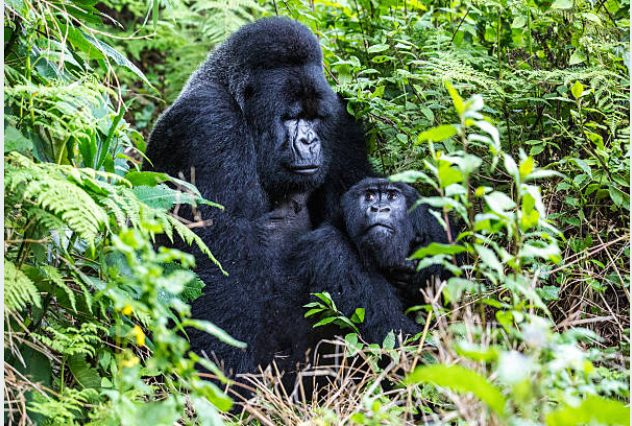
Mountain gorillas are a subspecies of the eastern gorilla, scientifically named Gorilla beringei beringei. They are among the largest primates in the world and live exclusively in mountainous regions covered with dense tropical forests. Unlike other gorillas found in lowland areas, these primates thrive at altitudes ranging from 2,200 to 4,000 meters above sea level.
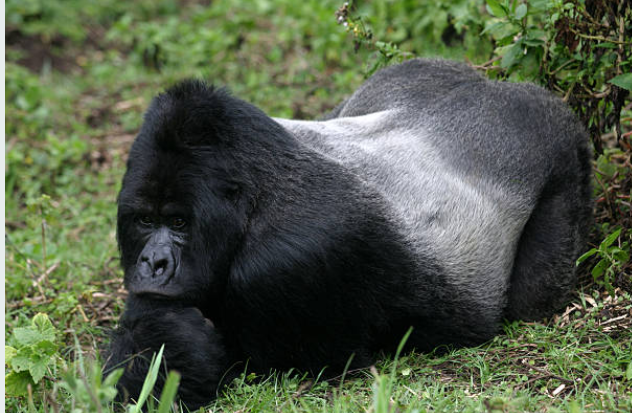
They are herbivores, feeding mainly on leaves, shoots, stems, and occasional fruits, although they may also consume small insects. Their social life revolves around family groups called “troops,” which can consist of 10 to 30 members led by a dominant male known as the silverback. This leader protects the group, mediates conflicts, and decides where to feed and rest.
Their lifespan ranges between 35 and 40 years in the wild, though some have been known to live longer. With DNA sharing about 98% similarity with humans, they exhibit complex emotions, bonding, and even mourning rituals, making them one of the most studied and admired primates in the world.
Physical Characteristics of Mountain Gorillas
Physically, these gorillas are built to survive in their high-altitude environment. Males are significantly larger than females, with adult males weighing between 160 to 220 kilograms, while females average between 100 to 130 kilograms. Males can stand up to 1.7 meters tall when upright.
Their long, thick fur is an adaptation to the cold mountain climate, distinguishing them from lowland gorillas that live in warmer areas. The fur is dark black or dark brown, and as males mature, the hair on their backs turns silver, giving them the name “silverbacks.”
They possess broad chests, muscular arms, and powerful jaws. Their hands and feet are adapted for climbing and knuckle-walking. Despite their intimidating appearance, mountain gorillas are generally peaceful creatures, unless threatened.
Facially, they are recognized by their large nostrils, small ears, and a broad forehead. Each gorilla has a unique nose print, much like human fingerprints, which researchers use to identify individuals.
Where to Find Mountain Gorillas in Uganda
Uganda is home to nearly half of the world’s remaining population of these primates, making it the top destination for gorilla trekking. The country has two main habitats where visitors can encounter them:
Bwindi Impenetrable National Park
Located in southwestern Uganda, Bwindi is the most popular site for gorilla trekking. The park is a UNESCO World Heritage Site because of its biodiversity, harboring not only gorillas but also numerous bird species, primates, and plants. Bwindi has about 20 habituated gorilla families that tourists can visit. The thick vegetation makes trekking challenging but rewarding, offering a genuine wilderness experience.
Mgahinga Gorilla National Park
Smaller but equally important, Mgahinga is part of the larger Virunga Conservation Area, which spans Uganda, Rwanda, and the Democratic Republic of Congo. The park is set against volcanic mountains, including Mount Muhabura and Mount Sabyinyo, creating a breathtaking landscape for trekking. Mgahinga has fewer gorilla families than Bwindi, but its scenic beauty and lower visitor numbers make it appealing to adventurous travelers.
Dian Fossey and Gorilla Research
Much of what is known today about the behavior and conservation needs of gorillas is credited to Dian Fossey, the American primatologist who dedicated her life to studying them in the Virunga Mountains of Rwanda. Although her research was primarily in Rwanda, it had a profound impact on conservation efforts across the region, including Uganda.
Fossey’s work in the 1960s and 70s helped reveal the complex social structures of gorilla groups and the threats they faced from poaching and habitat loss. She became a vocal advocate for their protection, raising global awareness through her book Gorillas in the Mist, which later inspired a film.
Her legacy lives on through the Dian Fossey Gorilla Fund and other organizations that continue to support research and conservation. Uganda’s conservation authorities have benefited greatly from her pioneering efforts, ensuring that gorillas remain protected and monitored.
Current Threats and Conservation Efforts
Despite ongoing conservation measures, these primates remain endangered. The main threats include:
-
Poaching: Although direct hunting has reduced, traps set for other animals often injure or kill gorillas.
-
Habitat Loss: Expanding human settlements, agriculture, and infrastructure reduce the forest cover that gorillas depend on.
-
Disease: Gorillas are susceptible to human diseases due to genetic similarity, making close interactions a potential risk.
-
Civil Conflict: In regions bordering Uganda, wars and unrest threaten the stability of gorilla habitats.
To address these threats, Uganda has implemented strong conservation programs. The Uganda Wildlife Authority works closely with international organizations to protect gorilla populations. Rangers conduct daily patrols, monitor gorilla families, and remove snares. Gorilla tourism also plays a major role, as revenues from trekking permits fund community development projects, ensuring that local people benefit from conservation.
Community involvement is crucial. Villagers living near the parks receive a share of tourism income, giving them a reason to protect gorillas rather than hunt or encroach on their habitat. As a result, gorilla numbers have been slowly increasing, a rare conservation success story for a critically endangered species.
Mountain Gorilla Trekking in Uganda
Trekking to see gorillas is one of the most rewarding adventures for any wildlife enthusiast. Uganda offers well-organized trekking experiences, managed by the Uganda Wildlife Authority to ensure sustainability.
The Trekking Experience
The journey begins with an early morning briefing, where visitors are assigned to a gorilla family and given guidance on trekking etiquette. Groups are limited to a maximum of eight people to minimize disturbance. Guided by rangers and trackers, trekkers hike through dense forests, climbing steep trails and navigating muddy paths.
The trek can last anywhere from two to six hours, depending on the gorillas’ location. The reward is an unforgettable encounter: once the gorilla family is found, visitors are allowed one hour to observe them. Watching the silverback guard his group, juveniles playing, or mothers caring for infants leaves a lasting impression.
Permit and Regulations
A gorilla trekking permit in Uganda costs around $700 for foreign non-residents, with discounted rates for East African citizens. Permits should be booked months in advance due to high demand. Strict rules apply, such as maintaining a seven-meter distance, avoiding flash photography, and not trekking if ill, to prevent disease transmission.
Best Time to Trek
Gorilla trekking is available year-round, but the dry seasons from June to September and December to February are the best times. Trails are less muddy, making the trek easier. However, the wet seasons can also be rewarding, as the forests are greener and less crowded.
Uganda’s forests provide a haven for some of the last surviving mountain gorillas on earth. From their unique physical traits to their social behavior and the efforts of researchers like Dian Fossey, these primates embody both strength and vulnerability. While threats such as poaching and habitat loss persist, dedicated conservation programs and community involvement have given hope for their survival.