The Unique Ik Teuso Culture in Uganda
Uganda is a nation of great cultural diversity, with more than 50 tribes, each carrying a unique identity, history, and traditions. Among the lesser-known yet fascinating communities are the Ik people, also referred to as the Teuso. They are a small ethnic group residing in the remote, mountainous areas of Karamoja, particularly on the slopes of Mount Morungole in Kaabong District, northeastern Uganda. Despite their small population, their customs, values, and lifestyle have attracted attention from researchers, anthropologists, and cultural enthusiasts.
The Ik Teuso culture in Uganda stands out because it has remained deeply rooted in tradition, with resilience against external influences. The Ik are often described as one of the most marginalized and least understood groups in the country. Yet, their cultural practices reveal a story of survival, social order, and strong identity amidst challenges.
How the Ik Teuso Started
The Ik, also known as the Teuso, are believed to have originated from Ethiopia before settling in northeastern Uganda centuries ago. Oral traditions suggest they migrated southward in search of fertile land, safety, and resources, finally establishing themselves on Mount Morungole. Unlike their neighbors, such as the Karamojong and Dodoth, who largely embraced pastoralism, the Ik developed a unique lifestyle that leaned towards subsistence farming and hunting.
For many years, their settlement in the mountains shielded them from cultural assimilation, allowing them to preserve their distinct way of life. Their history is marked by resilience, as they faced challenges like raids from neighboring pastoralist groups, harsh climatic conditions, and limited access to resources. Despite these difficulties, the Ik developed strong social structures and customs that continue to define their identity.
Traditional Leadership Among the Ik
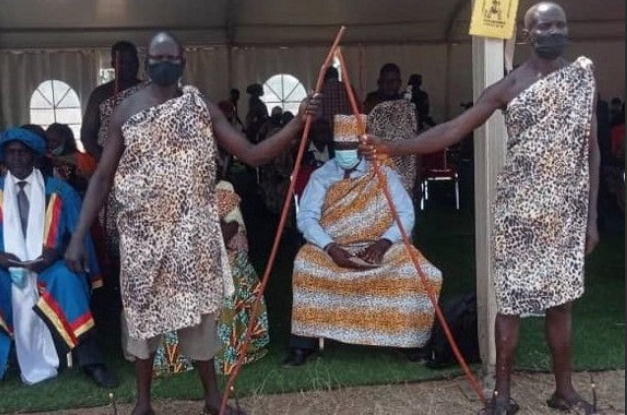
Traditional leadership plays a central role in maintaining order and guiding the community. The Ik do not have a centralized kingdom or chieftaincy like some other Ugandan tribes. Instead, leadership is organized through councils of elders, who are highly respected for their wisdom, knowledge of customs, and life experience.
The elders act as custodians of cultural values, mediators in disputes, and overseers of community rituals. Decisions are made collectively, reflecting the community’s belief in harmony and consensus. This decentralized form of leadership has allowed the Ik to maintain fairness and unity, even in the face of external pressures.
Behaviour and Social Organization
The Ik are known for their disciplined and cooperative behavior, which is essential in their rugged environment. Their social life is built around communal cooperation, where every individual contributes to the well-being of the group. Hospitality is highly valued, and visitors are often welcomed warmly despite the community’s limited resources.
They also practice a unique form of social grouping known as “age sets.” Individuals are placed in categories according to their age and gender, with each group assigned specific responsibilities. This system ensures that everyone has a role in community life, from children to elders.
Marriage in Ik Culture
Marriage holds significant importance in Ik society. It is considered not just a union between two individuals but also a bond between families and clans. Traditionally, arranged marriages were common, where parents played a central role in selecting partners for their children. However, mutual consent between the bride and groom is also recognized.
Bride price, usually in the form of goats, grains, or other agricultural produce, is an essential aspect of marriage negotiations. Polygamy exists but is less common compared to neighboring tribes. Marriage ceremonies often involve community gatherings, singing, and dancing, emphasizing unity and continuity of family lines.
Way of Cooking
The Ik’s way of cooking is shaped by the mountainous environment and limited resources. Their diet primarily consists of grains, millet, sorghum, beans, and vegetables grown on the slopes of Mount Morungole. Hunting and gathering also supplement their meals, with wild fruits, roots, and occasionally game meat forming part of their food culture.
Cooking is done using simple, traditional methods such as clay pots and open fires. Meals are often communal, with families gathering together to eat. Food is not only seen as sustenance but also as a symbol of togetherness and survival in their harsh environment.
Way of Naming
The naming system of the Ik carries deep cultural meaning. Names are often derived from circumstances surrounding birth, ancestral lineage, or environmental events. For example, a child might be named after a season, an animal, or an ancestor who is honored in memory.
This system of naming connects individuals to their community and environment, reminding them of their roots and responsibilities. Unlike some groups that adopt Western naming patterns, the Ik have preserved their indigenous naming traditions, which form part of their cultural resilience.
Way of Dressing
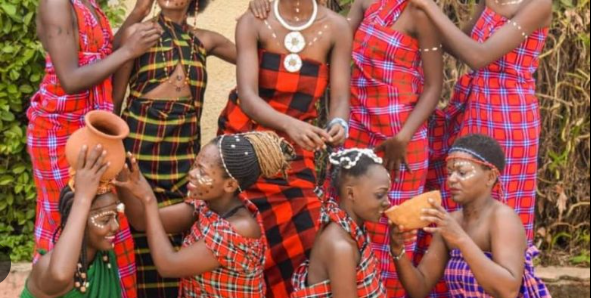
The Ik’s traditional dressing is simple yet symbolic of their identity. Historically, they wore animal skins and hides, which were both practical and accessible. With time, they incorporated cloth materials, often decorated with beads and ornaments.
Beads, in particular, play a significant role in their attire, used to mark beauty, social status, and cultural pride. Men often wear minimal clothing suited for farming and hunting, while women adorn themselves with colorful beads and skirts. Their dress reflects both modesty and adaptation to their rugged environment.
Way of Living
Life among the Ik revolves around close-knit family structures and communal living. They build small huts arranged in clusters known as “gated villages” or settlements. These settlements are strategically designed with protective fences to guard against wild animals and external threats.
Agriculture is central to their survival, with farming plots often managed collectively. The community thrives on cooperation, where labor, resources, and even food are shared. Storytelling, dance, and song form part of their evening gatherings, ensuring the transmission of culture to younger generations.
Language of the Ik People
The Ik speak a unique language known as Ik or Icetod, which belongs to the Kuliak group of the Nilo-Saharan language family. It is one of the most endangered languages in Uganda due to the small population of speakers. Despite external pressures, efforts have been made to preserve the language through oral traditions and documentation by linguists.
Language for the Ik is not just a means of communication but a reflection of their worldview and cultural practices. Proverbs, riddles, and songs in Ik carry deep meaning and are used to educate, entertain, and preserve collective memory.
The Ik Teuso culture in Uganda is a testament to resilience, uniqueness, and cultural pride. Though small in number and often marginalized, the Ik have safeguarded their traditions, from leadership and marriage customs to language and dress. Their way of life offers valuable lessons in communal cooperation, environmental adaptation, and cultural preservation.
In a world where globalization often threatens indigenous identities, the Ik people stand as a reminder that cultural diversity is humanity’s strength. The Ik Teuso culture in Uganda deserves recognition, protection, and celebration, not only as part of Uganda’s cultural heritage but also as a global treasure of human civilization.