Pokot Culture in Uganda: A Rich Heritage Preserved Through Generations
The Pokot culture in Uganda is a vibrant and fascinating reflection of a community that has preserved its traditional way of life despite the pressures of modernization. Located primarily in the northeastern region of Uganda, the Pokot people are known for their distinctive customs, pastoral lifestyle, and strong sense of community. Understanding their culture offers a glimpse into the rich tapestry of Uganda’s diverse ethnic heritage.
Origins of the Pokot People
The Pokot are part of the larger Nilotic ethnic group, believed to have migrated from the Sudanese plains centuries ago. Their movement into present-day Uganda and Kenya was driven by the search for fertile grazing lands and water for their livestock. Historically, the Pokot established themselves in semi-arid areas, adopting a nomadic lifestyle that enabled them to survive in harsh environmental conditions.
The Pokot people maintained strong ties with neighboring communities, often engaging in trade and cultural exchanges. Despite these interactions, they retained a unique identity shaped by their pastoralist practices, rituals, and oral traditions.
Traditional Leadership and Governance
Leadership among the Pokot has traditionally been organized around a system of elders known as the Council of Elders, who wield significant influence over communal affairs. These elders, usually the oldest and wisest men in the community, are responsible for resolving disputes, guiding cultural practices, and ensuring social cohesion.
In addition to elders, age-set systems play a crucial role in leadership. Young men are initiated into age groups that define their roles and responsibilities within the community. This system not only fosters discipline but also ensures that cultural knowledge is passed down systematically from one generation to the next.
Behaviour and Social Norms
The Pokot are known for their strong sense of community and mutual support. Hospitality is a core value, and guests are treated with great respect. The community also places high importance on bravery and resilience, traits that are especially valued among young men who often participate in herding and cattle raids—a practice historically used to demonstrate courage and strengthen social ties.
Despite their fierce reputation in history, the Pokot people maintain harmonious relations with neighboring communities through intermarriage, trade, and cultural celebrations. Politeness, respect for elders, and communal cooperation are integral aspects of their social conduct.
Marriage Traditions
Marriage among the Pokot is not merely a union between individuals but a bonding of families and clans. Traditional Pokot marriages involve elaborate rituals, including negotiations of bride price, often paid in cattle or other livestock. The bride price symbolizes respect and appreciation for the bride’s family.
Ceremonies are vibrant affairs, featuring traditional dances, songs, and storytelling. Women play a central role in maintaining family structures, while men are expected to provide and protect. Marriage customs also include guidance on fidelity, conflict resolution, and mutual responsibilities, ensuring that marriages contribute positively to the social fabric.
Cooking and Culinary Practices
The Pokot cuisine reflects their pastoralist heritage, with an emphasis on livestock products. Milk, blood, and meat from cattle, goats, and sheep form the cornerstone of their diet. Milk is consumed fresh, fermented, or used to prepare traditional dishes like mursik, a fermented milk delicacy.
Blood, often mixed with milk, is consumed during special occasions, symbolizing vitality and communal bonding. Grains such as maize and sorghum are also used to prepare porridges, bread, and local beverages. Cooking is often done in communal spaces, reinforcing the collective nature of Pokot society.
Naming Conventions
Names in Pokot culture are deeply symbolic and often reflect the circumstances surrounding a child’s birth, family lineage, or desired traits. For example, children may be named after significant events, natural phenomena, or ancestral heroes. This practice ensures that each individual carries a sense of identity and connection to the community’s history.
Gender-specific naming is also common, with male and female names often reflecting societal expectations or spiritual beliefs. Names are more than labels; they are expressions of cultural pride and continuity.
Traditional Dress and Adornments
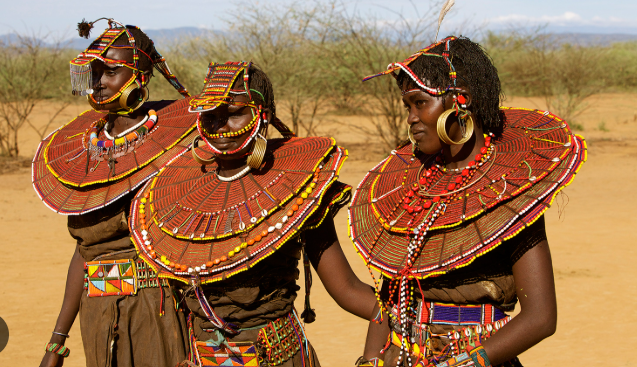
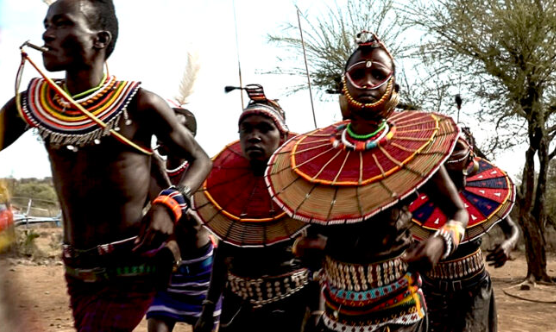
Pokot attire is both functional and symbolic. Traditionally, men wear animal-skin garments, often complemented by beaded jewelry and accessories that signify age, marital status, or social rank. Women adorn themselves with colorful beads, necklaces, and bracelets, highlighting their beauty and status within the community.
Ceremonial occasions bring out the most elaborate attire, including feathered headdresses, intricate beadwork, and painted designs. Clothing is not only practical for semi-arid conditions but also a visual language expressing cultural identity.
Daily Life and Community Living
The daily life of the Pokot revolves around pastoralism, with cattle herding forming the backbone of their economy and lifestyle. Men typically manage livestock, while women are responsible for domestic chores, food preparation, and child-rearing. Children participate in herding and household tasks from an early age, learning vital survival and social skills.
Housing in Pokot settlements usually consists of temporary or semi-permanent huts made from locally available materials like mud, sticks, and grass. The community lives in closely knit compounds, fostering strong social bonds and collective responsibility.
Language and Oral Traditions
The Pokot speak the Pokot language, a Nilotic language that serves as a key vehicle for preserving their oral traditions, folklore, and history. Storytelling is central to cultural transmission, with elders narrating tales that teach morals, history, and practical knowledge. Songs, proverbs, and poetry also enrich communication, ensuring that language remains a living repository of cultural identity.
The language itself includes unique expressions related to pastoralism, local geography, and spiritual beliefs, making it an integral part of daily life. Efforts to preserve the language continue, especially in schools and community programs, to ensure that younger generations retain their linguistic heritage.
The Pokot culture in Uganda is a remarkable testament to resilience, tradition, and communal harmony. From their nomadic origins and structured leadership to their distinctive marriage customs, culinary practices, and language, the Pokot people have maintained a unique identity that continues to thrive. Understanding their culture provides valuable insights into Uganda’s rich ethnic diversity and highlights the importance of preserving traditional practices in a rapidly changing world.