
Exploring the Rich Banyole Culture in Uganda
The Banyole culture in Uganda is a fascinating tapestry of traditions, beliefs, and social norms that have shaped the identity of this ethnic group over centuries. Residing predominantly in the eastern region of Uganda, specifically in Butaleja District and its environs, the Banyole people are known for their rich heritage, unique customs, and a lifestyle that reflects a deep connection to their land and ancestry. Understanding their culture provides insight not only into their community but also into Uganda’s diverse cultural landscape.
Origins and Historical Background of the Banyole People
The Banyole trace their roots back to Bantu-speaking migrations that moved into the Great Lakes region of East Africa. Historically, they settled around Lake Kyoga, where fertile land and abundant water supported farming and fishing—the pillars of their livelihood. Oral traditions suggest that their ancestors migrated from the west, assimilating with local hunter-gatherer communities along the way. Over time, the Banyole developed a distinct identity, balancing influences from neighboring groups with their unique customs and social structures.
This historical background helps explain many of the traditions and behaviors observed in contemporary Banyole society. Their survival and resilience have been closely tied to agriculture, family bonds, and a well-organized social system.

Traditional Leadership Among the Banyole
Traditionally, the Banyole followed a chieftaincy system. Leadership was often hereditary, passed down from one generation to the next within ruling families. Chiefs, known locally as “Omulamuzi”, held considerable authority over social, political, and judicial matters within the community. They were responsible for resolving disputes, overseeing land distribution, and maintaining order.
Even in modern times, although formal government structures have replaced many traditional roles, the influence of elders and chiefs remains significant. They act as custodians of cultural knowledge, ensuring that rituals, customs, and moral values are respected. This blend of modern governance and traditional authority highlights the Banyole commitment to preserving their heritage while adapting to contemporary life.
Social Behaviour and Community Life
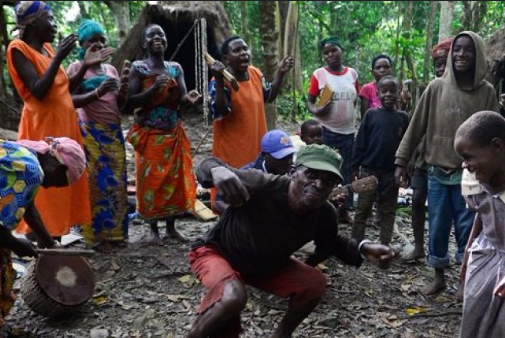
The Banyole people are widely recognized for their communal lifestyle and strong sense of unity. Hospitality is a key element of their culture; guests are treated with utmost respect and generosity. Social events, such as community meetings, weddings, and harvest festivals, serve as opportunities for bonding and reinforcing social cohesion.
Respect for elders is a cornerstone of Banyole society. Children are taught from an early age to listen to and learn from older family members. This respect extends to communal decision-making, where elders often guide discussions and help resolve conflicts, reflecting a deeply ingrained sense of order and harmony within the community.
Marriage and Family Structures
Marriage among the Banyole is not just a personal union but a social contract between families. Traditional marriages often involve negotiation of bride price, locally known as “Ekyalo”, which is paid in cash, livestock, or agricultural produce. The bride price symbolizes respect for the family and serves to strengthen bonds between the two households.
Polygamy was historically practiced among influential families, though monogamous marriages are more common today. Families emphasize raising children with moral guidance, education, and cultural teachings. Extended families often live in proximity, fostering collaboration in farming, childcare, and social activities.
Culinary Traditions and Cooking Methods
The Banyole culinary culture reflects their agrarian lifestyle. Staple foods include millet, sorghum, cassava, sweet potatoes, and a variety of vegetables. Fishing communities near Lake Kyoga incorporate fish into their daily meals, often smoked, grilled, or stewed with local spices.
Traditional cooking methods involve open-fire techniques, using clay pots and local herbs to enhance flavors. Communal cooking is common during ceremonies and festivals, reinforcing the social fabric and highlighting the importance of food in maintaining community ties. The preparation and sharing of meals are often accompanied by storytelling and songs, emphasizing cultural continuity across generations.
Naming Practices and Cultural Significance
Names in Banyole culture carry deep meanings and often reflect the circumstances surrounding a child’s birth, family history, or aspirations. Children may be named after ancestors, natural phenomena, or significant events, creating a sense of identity and continuity.
For example, a child born during a season of plenty may receive a name associated with abundance, while one born during challenging times might be given a name reflecting resilience or hope. This naming tradition strengthens family bonds and instills a sense of belonging from birth.
Traditional Clothing and Adornments
The Banyole have historically worn attire that balances functionality with cultural expression. Men traditionally wore simple cloth wraps, while women donned colorful dresses or skirts adorned with beads and locally woven fabrics. During ceremonies, clothing becomes more elaborate, often featuring intricate patterns, jewelry, and headdresses that denote status or celebrate significant life events.
Clothing serves as a cultural symbol, representing identity, social standing, and respect for tradition. Even today, traditional attire is worn during weddings, festivals, and other important gatherings, preserving the aesthetic and symbolic richness of Banyole heritage.
Daily Life and Livelihoods
Daily life among the Banyole revolves around agriculture, fishing, and small-scale trade. Families cultivate crops for both sustenance and income, while fishing communities rely on the rich waters of Lake Kyoga. The division of labor is often gender-based, with men handling heavier agricultural tasks and women managing household duties and food preparation.
Social interaction is highly valued, with regular gatherings for discussions, cultural activities, and problem-solving. Children participate in farming and fishing activities from a young age, learning practical skills and absorbing cultural teachings simultaneously. This integration of work, family, and tradition ensures the continuity of Banyole customs and the resilience of their communities.
Language and Communication
Language is a crucial component of the Banyole culture in Uganda. The Banyole speak Lunyole, a Bantu language closely related to the languages of neighboring communities. Lunyole serves as a medium for daily communication, storytelling, rituals, and cultural education.
Through proverbs, songs, and oral histories, the Banyole transmit knowledge, moral values, and historical narratives to younger generations. Preserving Lunyole is seen as essential to maintaining the community’s identity, as language encapsulates both practical communication and cultural heritage.
Preserving the Banyole Culture
Despite modern influences and globalization, the Banyole remain committed to preserving their cultural heritage. Elders, cultural leaders, and community organizations play a pivotal role in maintaining traditions, teaching younger generations, and celebrating festivals that reinforce communal bonds.
Efforts to document oral histories, traditional songs, and local practices have gained momentum, ensuring that the Banyole culture in Uganda continues to thrive in a rapidly changing world. By balancing modernity with tradition, the Banyole provide an inspiring example of cultural resilience and adaptation.
The Banyole culture in Uganda represents a unique blend of history, tradition, and social cohesion. From their origins and traditional leadership structures to marriage customs, culinary practices, naming conventions, attire, daily life, and language, every aspect of their society reflects a deep respect for heritage and community values. Understanding and appreciating the Banyole culture offers a window into Uganda’s rich diversity and highlights the importance of preserving cultural identities in an ever-globalizing world.