
Bakonzo Culture in Uganda: A Deep Dive into Traditions and Lifestyle
The Bakonzo culture in Uganda is one of the most fascinating and unique cultural heritages in the country. The Bakonzo, primarily residing in the Rwenzori region, are known for their rich traditions, strong sense of community, and close connection to the majestic Rwenzori Mountains. Understanding their culture offers insight into a people whose identity is deeply intertwined with their environment, beliefs, and customs.
Origins of the Bakonzo People
The history of the Bakonzo people dates back several centuries. Anthropologists believe that the Bakonzo migrated from the Congo Basin into the Rwenzori region, drawn by fertile lands and abundant water sources. Over time, they established themselves as skilled farmers, hunters, and craftsmen. The Bakonzo culture in Uganda reflects this long history of adaptation and resilience, as the community has preserved its traditional practices while gradually integrating modern influences.
Traditional Leadership Among the Bakonzo
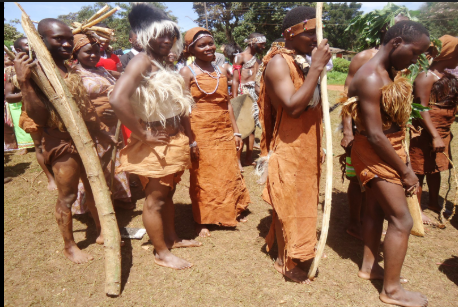
Leadership among the Bakonzo was traditionally organized under a hierarchical system of chiefs and clan elders. The Omukama or local chief played a crucial role in maintaining social order, resolving disputes, and overseeing cultural rituals. Clan elders were highly respected for their wisdom and experience, often mediating family matters and guiding younger generations. Even today, while formal governance structures have evolved, the influence of traditional leadership remains significant, especially during cultural ceremonies and land-related decisions.
Behaviour and Social Norms
The Bakonzo people are known for their strong sense of community, respect for elders, and collective responsibility. Social behavior is guided by customary laws and norms that emphasize harmony, mutual aid, and moral integrity. Children are taught from an early age to respect their elders, participate in communal work, and value education. Hospitality is also a hallmark of Bakonzo behavior; guests are warmly welcomed, often with a traditional meal and local beverages.
Marriage Traditions
Marriage in Bakonzo culture is a vibrant and highly ritualized affair. Engagement and marriage ceremonies involve intricate negotiations between families, known as “Okutala omukyala”, which includes the payment of bride price, usually in the form of livestock or money. Weddings are celebrated with music, dance, and feasting, reflecting the community’s emphasis on social cohesion and family ties. Polygamy, although less common today, was traditionally accepted among the Bakonzo, particularly for community leaders.
Traditional Cooking Practices
The Bakonzo have a rich culinary tradition rooted in locally available ingredients. Staples include matoke (steamed plantains), cassava, sweet potatoes, and beans, often complemented by milk, meat, or fish. Cooking methods are traditional, relying on wood-fired stoves or open fires. Meals are often communal, emphasizing the importance of togetherness. Special dishes are prepared during festivals or rituals, symbolizing respect for ancestors and communal harmony.
Naming Conventions
Names in Bakonzo culture carry deep meanings and are often reflective of the circumstances surrounding a child’s birth, lineage, or aspirations. Children may be named after natural phenomena, family history, or significant events. For example, a child born during a rainy season might receive a name linked to rain or fertility. Names also serve as a connection to ancestors, reinforcing the cultural continuity of the Bakonzo people.
Traditional Dress
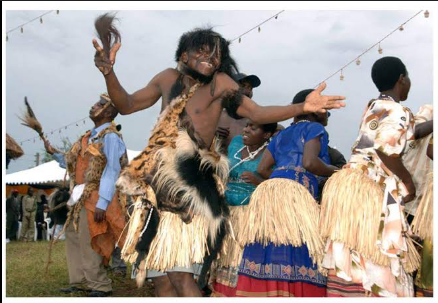
The traditional attire of the Bakonzo is simple yet expressive, often made from locally woven fabrics. Men typically wear wraps or tunics, while women adorn themselves in colorful dresses complemented with beads and necklaces. During cultural festivals and ceremonies, more elaborate attire is worn, including headdresses, belts, and ornaments that signify social status or achievements. The clothing style reflects the Bakonzo’s connection to their environment and their appreciation of beauty and craftsmanship.
Way of Living
Life in Bakonzo communities revolves around agriculture, family, and cultural practices. Subsistence farming dominates, with crops like bananas, millet, and beans forming the backbone of their economy. Houses are traditionally made from mud and thatch, with circular layouts designed to accommodate extended families. The Bakonzo value cleanliness, community participation, and respect for nature. Social activities, such as storytelling, music, and dance, are integral to daily life, reinforcing communal bonds.
Language and Communication
The Bakonzo speak Rutooro-Rukonzo, a Bantu language that is rich in proverbs, folklore, and idiomatic expressions. The language is not only a medium of communication but also a carrier of cultural values, history, and identity. Oral traditions, including storytelling, riddles, and songs, are essential in transmitting knowledge across generations. Learning Rutooro-Rukonzo is considered a vital part of embracing Bakonzo heritage, especially for the youth who wish to maintain cultural continuity.
Preserving the Bakonzo Culture in Uganda
Despite modern influences, the Bakonzo remain committed to preserving their cultural heritage. Festivals, rituals, and communal gatherings continue to be celebrated with enthusiasm, attracting tourists and researchers alike. The Bakonzo culture in Uganda is a living testament to the resilience, creativity, and deep-rooted values of the people of the Rwenzori region. By understanding their customs, language, and way of life, one gains an appreciation for a community that harmoniously blends tradition and modernity.
The Bakonzo culture in Uganda is a rich tapestry of traditions, values, and lifestyle practices that have survived centuries of change. From their unique leadership structures and marriage customs to their culinary practices, language, and clothing, the Bakonzo offer a profound example of cultural preservation and communal identity. Exploring their culture provides not only an educational experience but also an opportunity to witness a people who remain deeply connected to their land, history, and each other. The Bakonzo culture in Uganda continues to thrive, serving as a beacon of heritage, unity, and resilience in the heart of East Africa.