Batooro Culture in Uganda: Traditions, Lifestyle, and Identity
The Batooro culture in Uganda is among the most fascinating and vibrant cultural heritages in East Africa. Found mainly in the western region of Uganda, the Batooro people belong to the Bantu ethnic group and are primarily concentrated in the Toro Kingdom, which covers districts such as Kabarole, Kyenjojo, Kyegegwa, Kamwenge, and Bundibugyo. Their kingdom is ruled by the Omukama, who is both a cultural leader and a symbol of unity. The Batooro have preserved their customs, beliefs, and practices despite modernization, making their traditions an important part of Uganda’s diverse cultural identity.
How the Batooro Started
The origins of the Batooro trace back to the breakup of the larger Bunyoro-Kitara Kingdom in the 19th century. Historically, the Toro Kingdom was established in 1822 when Prince Kaboyo Olimi I, a son of the Omukama of Bunyoro, broke away to create his own independent kingdom. His leadership formed the foundation of what would become the Toro Kingdom, giving rise to the Batooro as a distinct group. Over time, the Batooro established their own political, social, and cultural systems, which remain strong pillars of identity today.
Traditional Leadership
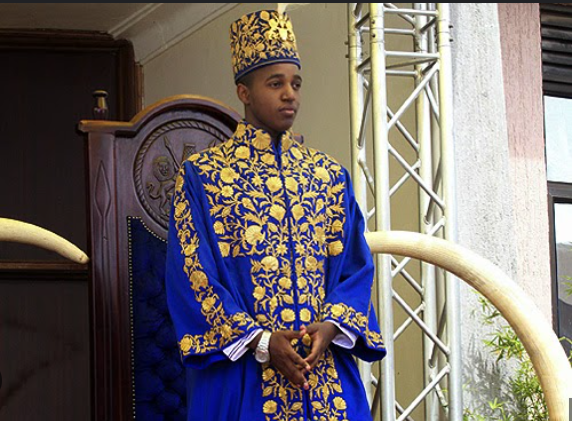
At the center of the Batooro culture in Uganda is the Toro Kingdom, led by the Omukama. The Omukama is regarded not only as a political head but also as a custodian of tradition, spirituality, and moral authority. He presides over cultural ceremonies and represents continuity from past generations to the present.
The kingdom is structured around clans, each led by a clan head who is responsible for maintaining harmony within their communities. These leaders also handle disputes, oversee marriages, and ensure that cultural norms are observed. The palace, called the Karuziika, serves as the central point of cultural and political administration. Respect for the monarchy and elders remains a key value in the Batooro community.
Behaviour and Social Values
The Batooro are widely known for their politeness, respect, and humility. Etiquette is deeply ingrained in daily life, and children are raised to honor elders. The traditional greetings reflect the community’s emphasis on respect, with younger people expected to kneel when greeting elders as a sign of humility.
Hospitality is another cherished virtue. Visitors are warmly welcomed and treated with kindness, often offered food and drink. Hard work is highly valued, with men traditionally taking on farming and cattle-keeping while women engage in household management, crop cultivation, and handicrafts.
Marriage Customs
Marriage is a highly respected institution in the Batooro culture in Uganda. Traditionally, marriage negotiations involve the families of both the bride and groom. The groom’s family presents a bride price, which includes cows, goats, and other items as a symbol of appreciation.
Before the wedding, the bride undergoes preparations by elder women who teach her about family life, respect, and responsibilities. The wedding itself is often a colorful celebration featuring traditional music, dance, and food. Monogamy is the norm, although polygamy has historically been practiced in some families. Respect between spouses and the extended family is emphasized, as marriage is seen as a bond between two clans rather than just two individuals.
Way of Cooking and Food Culture
The Batooro’s diet is centered on agriculture, with staple foods including millet, matoke (plantains), and sweet potatoes. Millet bread, known as kalo, is a significant cultural dish often served with groundnut paste, beef, or fish.
Milk also plays a symbolic role, especially among pastoralist families. Drinking milk is associated with purity and strength, and it is often reserved for children and elders. Meals are typically communal, with family members sitting together to eat. Cooking is done using traditional clay pots and firewood, adding a unique flavor to the food.
Naming Traditions
Names in Batooro culture are meaningful and often reflect circumstances at birth, family history, or aspirations for the child. Children are given both personal names and clan names. Clan names link individuals to their ancestry, while personal names may reflect attributes, seasons, or events.
For instance, a child born during a famine might receive a name indicating hardship, while one born during prosperity may be given a name reflecting abundance. Names are also used to preserve cultural identity and connect generations.
Traditional Dress
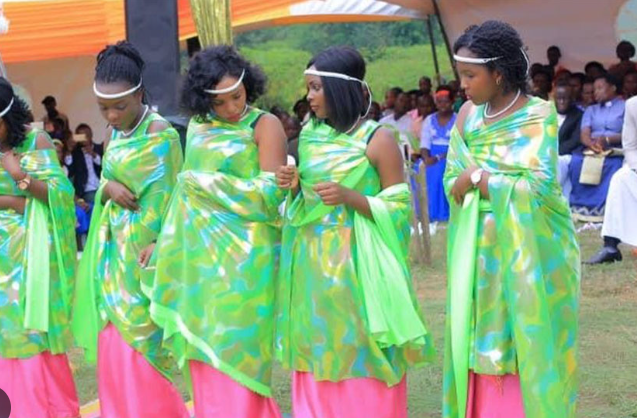
Traditional dressing is a major aspect of identity in the Batooro culture in Uganda. Men traditionally wore bark cloth or animal skins, but with modernization, they adopted the kanzu (a long white tunic) for formal and cultural ceremonies. Women wear suuka, a large piece of cloth draped around the body, often decorated with bright colors.
During cultural functions and weddings, the Batooro showcase elaborate attire with beads, jewelry, and headpieces. Dress is seen not only as clothing but also as a reflection of pride in heritage and respect for customs.
Way of Living
The Batooro live in extended family settings, often in rural homesteads surrounded by farms. Family unity is highly valued, with grandparents playing a central role in raising children and passing down cultural teachings.
Farming is the backbone of livelihood, with crops such as bananas, maize, beans, and cassava widely cultivated. Cattle-keeping is also practiced, though less dominant than in neighboring pastoralist communities. Houses traditionally were made from mud and thatched roofs, though modern materials are increasingly common today.
Social life includes community gatherings, dances, storytelling, and participation in cultural festivals. Music and dance are central, with the “Runyege-Ntogoro” dance being a popular traditional performance that symbolizes joy and unity.
Language of the Batooro
The Batooro speak Rutooro, a Bantu language closely related to Runyoro, Luganda, and Runyankore. Rutooro is both a spoken and written language, used in schools, local media, and daily life.
Language plays a crucial role in preserving traditions, oral literature, and folklore. Proverbs, songs, and riddles are common teaching tools, passing moral lessons to younger generations. Respectful language is emphasized, especially when addressing elders and leaders.
The Batooro culture in Uganda remains a cornerstone of national identity, showcasing a rich blend of traditions, beliefs, and practices. From their historical roots in the Toro Kingdom to their unique ways of cooking, naming, dressing, and living, the Batooro continue to uphold values of respect, hospitality, and unity. Their culture not only connects them to their past but also strengthens their role in the modern Ugandan society.