Exploring the Rich Heritage of Madi Culture in Uganda
Uganda is a country blessed with diverse ethnic groups, each carrying unique traditions and ways of life. Among these is the Madi people, who primarily live in the West Nile sub-region of northwestern Uganda, near the border with South Sudan. The Madi culture in Uganda is rich, vibrant, and deeply rooted in traditions that have been preserved across generations. From their origin and leadership structures to marriage practices, language, food, and dress, the Madi have maintained their cultural identity while adapting to modern influences.
How the Madi People Started
The history of the Madi traces back centuries, with oral traditions suggesting that they migrated from regions of present-day Sudan into the fertile lands of northern Uganda. They settled along the Nile and surrounding areas due to the availability of water and arable land. The name “Madi” is believed to be connected to their identity as a riverine people since many of their settlements were near rivers. Over time, they became known for their resilience, strong community ties, and ability to adapt to challenging environments.
Unlike other groups whose history was significantly altered by external invasions, the Madi managed to preserve much of their culture because of their geographical location, which was relatively isolated. This allowed them to retain their traditions even as neighboring communities underwent rapid change.
Traditional Leadership
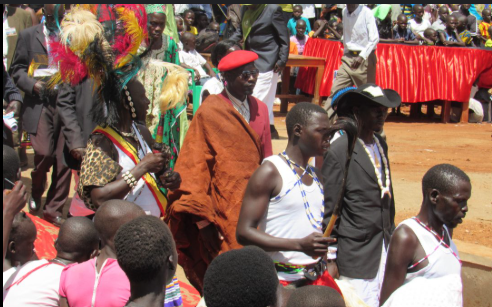
In Madi culture, leadership was historically rooted in clan-based systems. The society was organized around extended families, and each clan had elders who provided guidance and maintained order. These elders held authority in matters such as land disputes, marriage arrangements, and the preservation of customs.
Chieftaincy existed in some Madi communities, but leadership was less about centralized authority and more about collective wisdom. Elders were respected not because of wealth but for their knowledge, fairness, and ability to resolve conflicts. In times of war or external threats, leaders known as war chiefs emerged to protect the community. Today, while Uganda’s modern governance system has influenced them, traditional leadership among the Madi still plays a role in local decision-making, especially during cultural ceremonies.
Behaviour and Social Values
The Madi are known for their hospitality and strong sense of community. Respect for elders is a cornerstone of their behavior, and young people are taught from an early age to honor traditions and uphold family values. Social cohesion is highly valued, and individuals are expected to contribute to the well-being of their extended families and clans.
Generosity is another important trait, as visitors are often welcomed with food and drink. Social gatherings are vibrant, filled with storytelling, drumming, and dancing, which reinforce unity and preserve oral history. The Madi also emphasize hard work, honesty, and collective responsibility as guiding principles of daily life.
Marriage Traditions
Marriage among the Madi is viewed not only as a union between a man and woman but also as a bond between families. Traditionally, marriages were arranged with the consent of both families, and bride price was an essential part of the process. The bride price often included livestock such as goats or cows, as well as household items that symbolized respect for the bride’s family.
Ceremonies were lively events with singing, dancing, and feasting. During the marriage process, elders played a significant role in advising the couple and ensuring cultural values were observed. While modern influences have introduced new practices, many Madi families still observe traditional marriage rituals as a way of preserving their heritage.
Way of Cooking
Food plays an important role in Madi culture in Uganda. Their diet is largely based on what is locally available, with millet, sorghum, cassava, and maize being staple foods. Millet bread, locally known as kwon kal, is a traditional dish enjoyed by many households.
Vegetables such as beans, groundnuts, and leafy greens are common accompaniments, while fish from the Nile and small game meat provide protein. Stews are often prepared with groundnut paste, which adds flavor and nutrition. Cooking is usually done over open firewood stoves, and meals are shared communally, reinforcing the spirit of togetherness.
Way of Naming
Naming among the Madi carries deep cultural meaning. Names are not just identifiers but also reflect circumstances surrounding a child’s birth, family history, or aspirations for the future. For example, a child might be named based on the season of birth, events that occurred at the time, or ancestral lineage.
Elders usually participate in the naming process, ensuring that names preserve cultural identity. Some names are also linked to spirituality, invoking blessings or protection for the child. Even today, many Madi families retain traditional names alongside Christian or modern names, showcasing the blending of past and present influences.
Way of Dressing
Traditionally, the Madi wore simple clothing made from animal hides and locally woven materials. Men often adorned themselves with animal skins tied around the waist, while women used decorated skins and beads. Beadwork was particularly significant, symbolizing beauty, social status, and cultural identity.
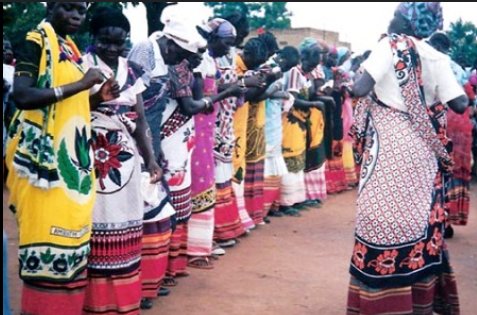
With the introduction of cotton and other fabrics during the colonial era, clothing styles began to change. Today, most Madi people wear modern clothing for daily life, but during cultural festivals and ceremonies, traditional attire featuring beads, ornaments, and brightly colored fabrics is proudly displayed. These occasions serve as a reminder of their heritage and identity.
Way of Living
The Madi traditionally lived in homesteads made up of round huts with thatched roofs, built from mud and grass. These homesteads were usually organized around family units, creating a sense of unity and cooperation. Farming was the primary economic activity, with crops like millet, cassava, and maize being cultivated both for consumption and trade.
Hunting, fishing, and animal rearing also contributed to their livelihood. Gender roles were clearly defined, with men focusing on farming, hunting, and protection, while women took charge of cooking, child-rearing, and managing household affairs. Even though modern housing and urban migration are reshaping lifestyles, many rural Madi communities still live in traditional homesteads.
Language of the Madi
The Madi speak the Madi language, which belongs to the Central Sudanic branch of the Nilo-Saharan language family. It is closely related to the languages of neighboring groups, such as the Lugbara. The Madi language has various dialects depending on region, but it remains a unifying factor for the community.
Language is not just a communication tool for the Madi—it is a vessel for their stories, songs, proverbs, and traditions. Oral literature plays a vital role in preserving cultural knowledge, and storytelling is a cherished practice, especially among elders who pass wisdom to younger generations. Despite external influences, the Madi people take pride in keeping their language alive.
The Madi culture in Uganda represents a unique and vibrant way of life that has been preserved for centuries. From their traditional leadership and communal values to their marriage practices, food, naming customs, and language, the Madi continue to hold onto their identity while embracing modernity. Their culture is a living testimony of resilience, adaptability, and deep-rooted pride in heritage.