Lugbara Culture in Uganda: Traditions, Lifestyle, and Heritage
Uganda is a country known for its rich cultural diversity, with over 50 ethnic groups living harmoniously. Among these communities, the Lugbara people stand out with their unique traditions, beliefs, and ways of life. The Lugbara culture in Uganda is deeply rooted in history and continues to shape the social structure, family systems, and values of this community. Their customs—from leadership to marriage, cooking, and language—have been preserved over generations, offering a fascinating insight into their identity.
Origins of the Lugbara People
The Lugbara are a Nilotic ethnic group who inhabit the northwestern part of Uganda, mainly in the West Nile sub-region bordering the Democratic Republic of Congo and South Sudan. Historically, they are believed to have migrated from Sudan centuries ago, settling in the fertile lands of the West Nile. Oral traditions suggest that the Lugbara originally lived as hunters and farmers, relying heavily on agriculture and animal husbandry for survival. Over time, they developed a strong communal lifestyle, with extended families forming the foundation of their social organization.
Traditional Leadership Among the Lugbara
Clan-Based Authority
Unlike other Ugandan ethnic groups that have centralized kingdoms, the Lugbara people traditionally practiced decentralized leadership. Authority was clan-based, with elders, known as Ari’ba, serving as custodians of culture and decision-making. These elders were highly respected and acted as mediators in conflicts, overseers of rituals, and guardians of traditional wisdom.
Religious and Political Roles
Spiritual leaders also played a central role in traditional Lugbara governance. The Ojiji (diviners or priests) acted as intermediaries between the people and the ancestral spirits. Community decisions were not only political but also spiritual, ensuring that customs and taboos were observed. This leadership structure created a balance between societal order and religious belief.
Behavior and Social Conduct
Behavior in the Lugbara community is guided by respect for elders, hospitality, and communal responsibility. Children are taught discipline from an early age, with emphasis on honesty, hard work, and loyalty to the family. Hospitality is deeply ingrained—visitors are welcomed warmly and often offered food, even when resources are limited. Social misconduct, such as theft or disrespect to elders, is heavily frowned upon and traditionally resolved through communal dialogue or symbolic rituals of reconciliation.
Marriage in Lugbara Culture
Courtship and Dowry
Marriage among the Lugbara is viewed as a union between families rather than individuals. Traditionally, a young man’s family pays bride wealth to the bride’s family, usually in the form of goats, cows, or money. This exchange symbolizes respect, appreciation, and the strengthening of family ties.
Polygamy and Family Structure
Polygamy was once common, especially among wealthy men who could support large families. Wives worked together in harmony, raising children collectively. Today, while modern influences have changed some practices, the extended family structure remains strong, ensuring children are nurtured within a broad network of relatives.
Cooking and Food Practices
Staple Foods
Food plays a significant role in the Lugbara lifestyle. Their diet mainly consists of millet, cassava, maize, sorghum, groundnuts, and sweet potatoes. Millet bread (aruwa) is a traditional delicacy, often accompanied by vegetables, beans, or meat.
Cooking Methods
Cooking is usually done over firewood using clay pots, which retain heat and give food a distinct flavor. Stews, soups, and porridge are common dishes, with sim-sim paste and groundnut sauce being popular accompaniments. Meat is often roasted or boiled, especially during ceremonies and communal gatherings.
Naming Traditions Among the Lugbara
Names in Lugbara culture carry deep meaning and are often influenced by circumstances of birth, family history, or natural events. A child might be named after the season of their birth, an event in the family, or as a way of honoring ancestors. For instance, some names may reflect joy, sorrow, or the hope parents have for their child’s future. Naming ceremonies are family-centered events, reinforcing the community’s belief in unity and continuity.
Dressing in the Traditional Lugbara Society
Traditional Attire
Historically, the Lugbara dressed in bark cloth and animal skins, decorated with beads and ornaments. With time, cotton garments replaced these materials. Women traditionally wore long dresses, while men donned tunics or wrapped cloths.
Modern Influence
Today, modern clothing has replaced most traditional attire, but cultural outfits are still worn during ceremonies, dances, and festivals. Women often wear colorful gomesi or long dresses, while men wear kanzu or smart suits, showcasing a blend of modernity and tradition.
Way of Living in Lugbara Communities
Housing and Settlements
Traditional Lugbara homesteads are circular huts made of mud walls and grass-thatched roofs. Houses are built in clusters within family compounds, reflecting the extended family lifestyle. Modern influences have introduced brick houses and iron-sheet roofs, but many rural areas still maintain the traditional homestead setting.
Daily Life and Occupation
Agriculture is the backbone of Lugbara life. Families grow crops such as millet, sorghum, cassava, and groundnuts for both food and trade. Animal rearing, especially goats and poultry, is also common. The community is hardworking, with both men and women actively contributing to farming and household responsibilities.
Language of the Lugbara
The Lugbara people speak Lugbara, a Central Sudanic language that is widely spoken in the West Nile region of Uganda. It serves as a unifying factor among the Lugbara people across borders in Uganda, Congo, and South Sudan. The language is rich in proverbs, idioms, and storytelling, which are used to teach values and pass down cultural knowledge.
In Uganda, Lugbara is recognized as one of the widely spoken indigenous languages. It has also been used in education, church services, and community radio, strengthening cultural identity among younger generations. Efforts to preserve the Lugbara language continue, ensuring that the cultural values and history embedded in it are not lost.
Festivals and Cultural Expressions
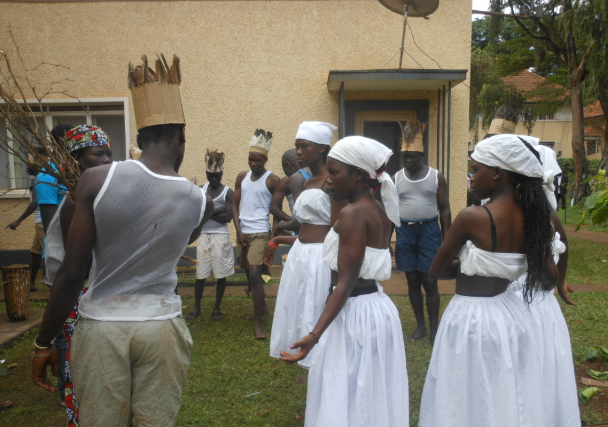
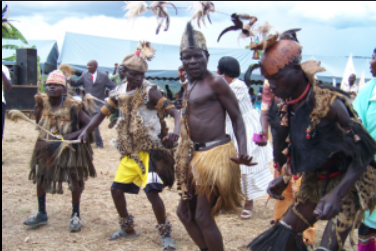
The Lugbara celebrate various festivals that highlight their music, dance, and rituals. Traditional dances such as Agwara are performed during weddings, harvest seasons, and community gatherings. Drums, flutes, and horns are common instruments, with music often accompanied by rhythmic dancing and chanting.
These celebrations not only entertain but also act as a way of preserving traditions, strengthening bonds, and passing culture to younger generations.
The Lugbara culture in Uganda is a rich tapestry of traditions, values, and practices that define the community’s identity. From their origins and clan-based leadership to their marriage customs, cooking methods, and way of life, the Lugbara people have preserved customs that continue to thrive in modern Uganda. Their language, naming systems, and attire all carry symbolic significance that strengthens cultural bonds.