
Iteso Culture in Uganda: Traditions, Lifestyle, and Heritage
Uganda is home to diverse ethnic groups, each with unique traditions and ways of life. Among them, the Iteso stand out as one of the largest Nilotic groups, primarily inhabiting the eastern part of the country, especially in the Teso sub-region. The Iteso culture in Uganda is rich with customs, values, and practices that define their identity and unite communities across generations. Known for their resilience, vibrant social systems, and deep connection to cattle-keeping and farming, the Iteso have preserved their heritage while adapting to modern influences.
How the Iteso Started
The origin of the Iteso traces back to the larger Nilotic migration from present-day Sudan and Ethiopia centuries ago. Oral history and anthropological studies suggest that the Iteso migrated southwards due to conflicts and the search for fertile lands. Eventually, they settled in northeastern Uganda and parts of western Kenya. Their settlement in fertile savannah grasslands made agriculture and cattle rearing central to their survival. Over time, they established distinct cultural practices, social structures, and traditions that continue to define them today.
Traditional Leadership among the Iteso
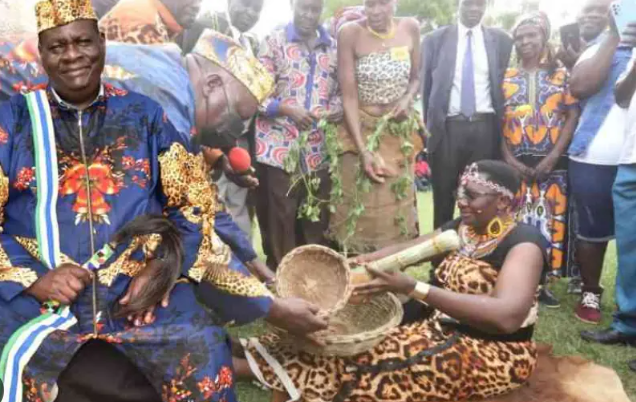
Leadership in Iteso communities traditionally revolved around clan structures. Each clan had an elder known as the Atekerin, who was highly respected and entrusted with decision-making, conflict resolution, and preserving customs. Leadership was not based on wealth or power but on wisdom, age, and integrity. Spiritual leaders, often diviners or healers, also played an important role by guiding the community during rituals, rainmaking ceremonies, and ancestral worship. Today, while modern governance systems exist, traditional leadership still influences community decisions, especially during cultural ceremonies.
Behaviour and Social Values
The Iteso are known for their hospitality, openness, and strong sense of community. Respect for elders is deeply ingrained, and social harmony is maintained through communal living. They value honesty, cooperation, and collective responsibility, especially during farming seasons and ceremonies. Storytelling, songs, and dances serve as both entertainment and education, instilling morals in the younger generation. Discipline and hard work are emphasized, with laziness frowned upon in their society.
Marriage Traditions among the Iteso
Marriage holds a central place in the Iteso culture in Uganda. Traditionally, marriage was not just a union between a man and woman but also between families and clans. Bride price, often in the form of cattle, goats, or agricultural produce, symbolized appreciation and respect for the bride’s family. Arranged marriages were common in the past, with parents or elders negotiating on behalf of their children. Ceremonial dances, music, and feasting accompanied the marriage process, creating a communal celebration. Today, while modern forms of marriage exist, traditional customs like bride price negotiations and cultural songs are still observed in many Iteso weddings.
The Way of Cooking
Food is a strong expression of identity among the Iteso. Their diet primarily consists of millet, sorghum, cassava, beans, and groundnuts. Millet bread (Atap) is a staple food, often served with stews or sauces made from groundnuts, meat, or vegetables. Cow milk and meat are also significant, reflecting their pastoral roots. Traditional cooking involves clay pots and firewood, and meals are often shared communally, reflecting unity and togetherness. During cultural ceremonies, meals such as roasted meat, esub (fermented milk), and millet beer are prepared to honor guests and ancestors.
Naming Practices
Naming children in the Iteso culture is symbolic and reflects the circumstances of birth, family heritage, or personal aspirations. Names often carry meanings linked to nature, seasons, or social events. For example, a child born during a famine might be given a name symbolizing hardship, while one born during a season of plenty could be given a name reflecting abundance. Names also reflect lineage, helping preserve clan identities. Even today, traditional names remain an important marker of identity, despite the influence of Christian and modern names.
Dressing and Cultural Attire
In the past, the Iteso dressed in animal skins and beads, with ornaments symbolizing status or clan affiliation. Women adorned themselves with jewelry made from cowrie shells, beads, and brass, while men wore simpler attire suited for cattle herding and farming. With modernization, Western clothing became common, but traditional attire is still worn during cultural ceremonies and festivals. Colorful fabrics, beadwork, and symbolic ornaments reflect pride in their heritage and connect the community to its roots.
Way of Living
The Iteso traditionally lived in homesteads composed of round huts with thatched roofs, built using mud and grass. Families lived close together, fostering cooperation and social unity. Cattle, goats, and chickens were kept within the homesteads, emphasizing the importance of livestock in their lifestyle. Farming activities were communal, with neighbors assisting each other during planting and harvesting seasons. Music, dance, and storytelling were part of daily life, creating a lively and socially cohesive environment. Today, modern housing and lifestyles have been adopted, but communal living and social support remain strong features of their society.
Language of the Iteso
The Iteso speak Ateso, a language belonging to the Nilotic family. Ateso is deeply tied to their culture, traditions, and worldview. The language is rich in proverbs, songs, and folktales that communicate values and history. For instance, proverbs are commonly used to advise, caution, or teach younger generations. While English and Luganda are widely spoken in Uganda, Ateso remains a unifying factor for the Iteso, preserving their cultural identity. Efforts to promote and preserve the language are ongoing, with schools in the Teso sub-region including Ateso in their curriculum.
Modern Adaptations of Iteso Culture
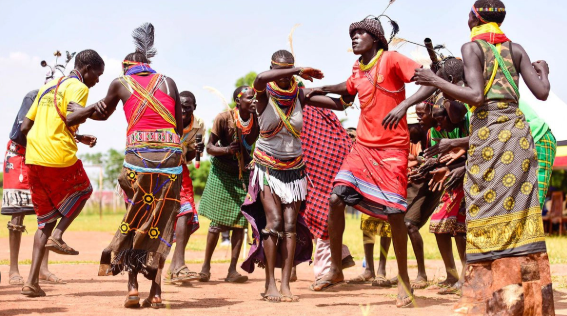
While modernization and globalization have influenced Iteso culture in Uganda, many traditions remain resilient. Younger generations continue to learn traditional dances such as Akogo and Ajosi, and cultural festivals showcase their vibrant heritage. Religious practices have also evolved, with Christianity blending with traditional rituals in some cases. Despite changes, the Iteso continue to value community, respect for elders, and the preservation of their cultural identity.
The Iteso culture in Uganda is a vibrant blend of history, tradition, and adaptability. From their traditional leadership structures to their unique marriage customs, cooking, naming, and communal way of living, the Iteso have maintained a rich heritage that continues to define them today. Their language, attire, and social values ensure that their identity remains strong even amidst modern changes. As Uganda embraces diversity, the Iteso stand as a proud example of how cultural heritage can be preserved and celebrated across generations.