
Acholi Culture in Uganda: A Rich Heritage of Tradition and Identity
Acholi culture in Uganda is one of the most vibrant and historically rich traditions in East Africa. Rooted in centuries of history, the Acholi people have preserved their customs, values, and social systems despite challenges such as colonialism, conflict, and modernization. Their culture represents not only a way of life but also a deep sense of identity that connects generations. From traditional leadership structures to unique marriage practices, food preparation, dressing, naming, and daily living, the Acholi community stands as a symbol of resilience and cultural pride.
This article explores the origins of the Acholi, their leadership, customs, and the elements that continue to shape their everyday lives in northern Uganda.
How the Acholi Started
The Acholi are part of the Nilotic ethnic groups, believed to have migrated southwards from the Upper Nile region around the 16th century. Oral traditions suggest that their ancestors came from present-day South Sudan, blending with local communities and forming a distinct cultural identity. They established settlements in what is now the Acholi sub-region, covering districts such as Gulu, Kitgum, Lamwo, and Pader.
Historically, the Acholi organized themselves into chiefdoms governed by Rwodi (chiefs), each clan maintaining its independence but sharing common cultural values. This strong clan system not only fostered unity but also helped them withstand external pressures such as slave raids in the 18th and 19th centuries. Their identity became firmly rooted in land, community, and kinship bonds.
Traditional Leadership Among the Acholi
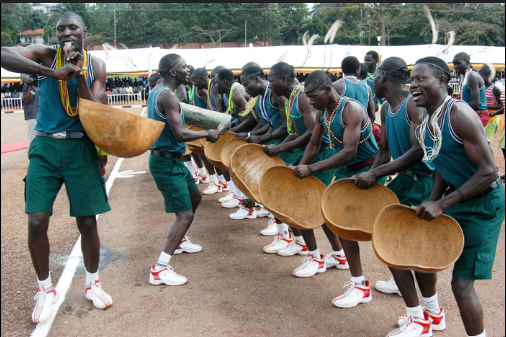
Traditional leadership is a cornerstone of Acholi society. The Rwot, or paramount chief, plays a symbolic and cultural role. Each clan has its own chief, who is regarded as the custodian of customs, land, and justice. The chiefs preside over matters such as land disputes, marriage negotiations, and conflict resolution.
Elders also hold a special place in leadership. They are highly respected for their wisdom and play a crucial role in decision-making, moral guidance, and the preservation of oral traditions. Leadership is not only about power but also about service to the community. The respect for traditional leaders remains strong even in the modern era, with cultural institutions being revived after years of suppression during Uganda’s post-independence conflicts.
Behaviour and Social Values
The Acholi people are known for their hospitality, respect for elders, and communal lifestyle. Social life revolves around clans, which act as extended families. Generosity and cooperation are deeply ingrained values, often reflected in communal farming, sharing meals, and collective participation in ceremonies.
Another defining feature of Acholi behaviour is their emphasis on reconciliation. The traditional justice system, known as Mato Oput, is a reconciliation ritual used to resolve disputes, particularly cases of murder or inter-clan conflict. This system values forgiveness, compensation, and restoration of peace over punishment, reflecting the Acholi commitment to harmony and social cohesion.
Marriage in Acholi Culture
Marriage is an important institution that reflects both social and cultural values. Traditionally, marriage negotiations involve the families of both the bride and groom. Dowry, often in the form of cattle, goats, or money, is central to the process, symbolizing respect and appreciation for the bride’s family.
The Acholi consider marriage a union between clans rather than just individuals. The ceremonies are marked with dances, songs, and rituals that strengthen kinship ties. Polygamy was traditionally practiced, though it has become less common in contemporary times. Fidelity, mutual respect, and family honor remain key pillars of marriage within the community.
Way of Cooking and Cuisine
Food plays a significant role in Acholi culture in Uganda, with most dishes centered on agriculture and livestock. Staple foods include millet bread (kwon kal), cassava, sorghum, and sweet potatoes. These are often served with groundnut sauce, beans, peas, or leafy vegetables.
Meat, especially beef and goat, is reserved for special occasions such as weddings or community gatherings. Traditional cooking methods involve steaming food in banana leaves, boiling, or roasting. Alcoholic beverages such as ajon (millet beer) are shared communally, strengthening social ties.
Cooking is not only about nourishment but also about identity, as meals are prepared in ways that preserve tradition and family bonds.
Way of Naming
Naming among the Acholi is deeply symbolic and often reflects the circumstances surrounding a child’s birth. Unlike modern systems of naming after relatives or celebrities, the Acholi names are descriptive and meaningful. For example, a child may be named Okello if born after twins, or Ayaa if born during a time of hardship.
Some names carry social or spiritual significance, linking the child to ancestors or marking historical events. This system of naming ensures that personal identity is always connected to family history, community, and culture.
Dressing in Acholi Culture
Traditionally, Acholi men wore animal skins or bark cloth, while women adorned themselves with beads, cowrie shells, and brightly colored cloths. Today, while modern clothing has become common, cultural attire is still worn during ceremonies and festivals.
Women often wear gomesi or busuti (long, brightly decorated dresses with sashes), while men may wear kanzu or suits during formal occasions. Beads, bracelets, and headpieces remain an important part of Acholi dressing, symbolizing beauty, status, and tradition.
Way of Living
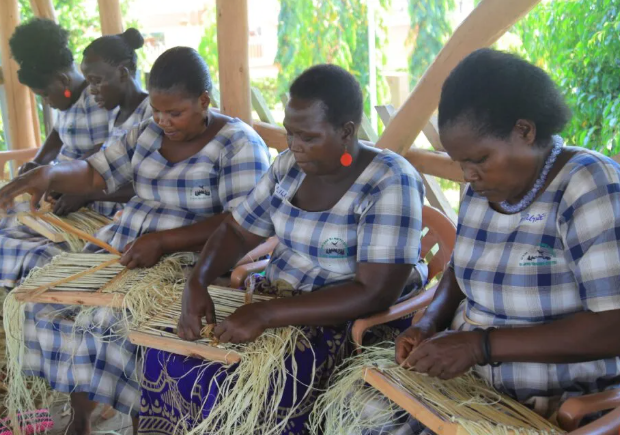
The Acholi live in homesteads known as a gang, made up of extended family units. Traditionally, houses were round, thatched huts built from mud and grass, arranged around a central courtyard. This layout fostered unity and communal living, with families sharing resources and responsibilities.
Agriculture is the main livelihood, with crops like millet, sorghum, and cassava being widely cultivated. Livestock farming also plays a significant role. Despite modernization, communal living and respect for land as a sacred heritage continue to define Acholi lifestyles.
The Acholi Language
Language is a key element of identity, and the Acholi speak Luo, a Nilotic language shared with related groups such as the Alur and Lango. Luo is not only a means of communication but also a vessel for oral traditions, folktales, proverbs, and songs.
Through storytelling, the Acholi preserve their history and values, passing them down to future generations. Songs and dances, such as Bwola (a royal dance), showcase the richness of their language and its role in cultural expression.
Acholi culture in Uganda is a dynamic and deeply rooted heritage that continues to thrive despite modern influences. From their origins and traditional leadership to marriage, food, naming, dressing, and language, the Acholi people uphold values that bind them together as a community. Their emphasis on reconciliation, respect for elders, and communal living provides lessons in resilience and harmony.