
Batuku Culture in Uganda: A Deep Cultural Heritage
Uganda is home to diverse ethnic groups, each with its own unique traditions, practices, and ways of life. Among these is the Batuku, a pastoralist community that resides primarily in the northern parts of Ntoroko District, near the shores of Lake Albert. The Batuku culture in Uganda is a fascinating tapestry of history, resilience, and deep-rooted traditions that have stood the test of time despite modernization and external cultural influences. This article explores the origin, leadership, marriage, daily lifestyle, and other important aspects of this culture, offering an in-depth understanding of how the Batuku people live and preserve their heritage.
How the Batuku Started
The Batuku trace their origins to pastoralist movements in the Great Lakes region. Oral history suggests that they descended from cattle-keeping communities that migrated from the Democratic Republic of Congo and parts of western Uganda in search of fertile grazing lands. Their settlement near Lake Albert was influenced by the availability of water and pasture for their livestock, which are central to their identity.
Unlike agricultural groups in other parts of Uganda, the Batuku traditionally embraced nomadic pastoralism. They moved from one place to another depending on the seasons, guided by the welfare of their cattle. Cows were not only a source of livelihood but also a measure of wealth, social status, and a cultural symbol that defined the very fabric of the community.
Traditional Leadership
Leadership among the Batuku has historically revolved around clan structures. Clans are central units of organization, and each clan is led by an elder, usually chosen based on wisdom, integrity, and experience. These elders are entrusted with making decisions on communal issues such as land use, cattle disputes, marriage arrangements, and cultural rituals.
In addition to clan leaders, spiritual leaders also play a significant role. They are believed to have the ability to communicate with ancestors and seek blessings for rain, cattle fertility, and community protection. Leadership is thus a blend of political authority and spiritual guidance, ensuring harmony within the community.
While modern administrative systems introduced by the Ugandan government have influenced governance, the Batuku still respect and uphold the authority of their traditional leaders, especially during cultural ceremonies and community gatherings.
Behaviour and Social Values
The behaviour of the Batuku is largely shaped by pastoralist values of unity, generosity, and mutual support. Since survival in pastoral life depends on cooperation, they emphasize collective responsibility. Sharing milk, meat, and resources is a deeply ingrained practice, and no member of the community is allowed to suffer in isolation.
Respect for elders is paramount, as they are viewed as custodians of wisdom. Young people are expected to listen and learn from them. Similarly, honesty and loyalty are virtues upheld by all members of the community. Laziness and disregard for cattle welfare are frowned upon, as livestock is central to their identity and survival.
Marriage Practices
Marriage among the Batuku is not just a union of two individuals but a bond between families and clans. Cows are the primary form of bride price, and the number of cattle given reflects the groom’s respect for the bride’s family. The exchange of cattle also symbolizes the groom’s ability to take care of his wife.
Weddings are communal events involving singing, dancing, and feasting. Elders play an important role in guiding young couples on marital responsibilities. Polygamy is traditionally accepted, especially for men who own large herds of cattle, since wealth and social standing are associated with livestock.
Marriages are carefully arranged to avoid unions within the same clan, as this is considered taboo. The cultural rules surrounding marriage not only strengthen social bonds but also ensure the continuation of traditions across generations.
Way of Cooking
Food is central to the Batuku lifestyle, though their cuisine is closely tied to their pastoralist way of life. Milk is the staple, consumed in different forms such as fresh milk, sour milk, ghee, and sometimes mixed with blood drawn from cattle in a ritualistic and nutritious process.
Meat is mostly reserved for special occasions such as weddings, rituals, or festivals. Grains and vegetables, often acquired through trade with neighboring farming communities, supplement their diet. Cooking is generally simple, focusing on boiling rather than frying, to preserve the natural flavors of their food.
The sharing of meals is communal, reinforcing unity and the spirit of togetherness. Guests are always welcomed with milk as a symbol of hospitality and friendship.
Way of Naming
Names in the Batuku culture carry deep significance, often reflecting circumstances of birth, family expectations, or ancestral connections. Some children are named after natural events, such as droughts, rains, or cattle prosperity. Others receive names from ancestors as a way of honoring lineage.
Elders usually preside over naming ceremonies, which are conducted with blessings and rituals to protect the child. This practice ties individuals to their heritage and ensures continuity of identity across generations.
Way of Dressing
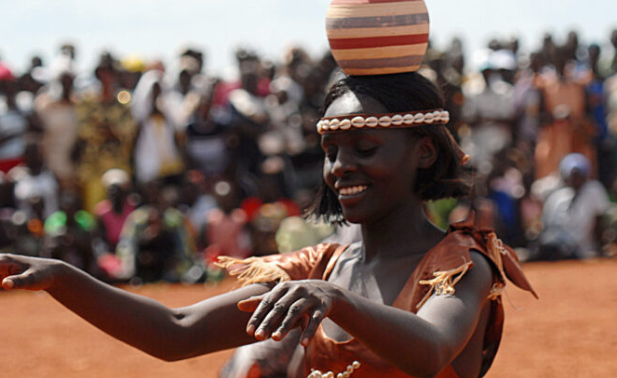
Traditionally, the Batuku dressed in cowhide garments, a reflection of their pastoralist roots. Men often wore animal skins tied around their waist or shoulders, while women adorned themselves with decorated skins and beads. Beadwork was not only ornamental but also a sign of beauty and social status among women.
In modern times, Western clothing has become common, but traditional attire still holds symbolic importance during ceremonies, weddings, and cultural festivals. Young Batuku are encouraged to embrace traditional wear as a way of preserving their identity in a rapidly changing world.
Way of Living
The lifestyle of the Batuku is deeply tied to cattle rearing. Homesteads are typically organized in kraals, with huts constructed in circular patterns around cattle enclosures. The design reflects the importance of livestock as the center of community life.
Daily routines revolve around tending to cattle—milking, grazing, and ensuring their health. Men usually take responsibility for herding, while women handle milking and domestic chores. Children are introduced to cattle care from an early age, learning responsibility and respect for tradition.
Despite modernization, the Batuku remain resilient in maintaining their pastoralist identity, although some have embraced crop farming, fishing on Lake Albert, and trade as alternative sources of livelihood.
Language
The Batuku speak Rutooro, a Bantu language widely spoken in western Uganda. Language is a vital aspect of their cultural preservation, as it embodies proverbs, songs, and oral traditions that pass wisdom from one generation to another.
Through storytelling, riddles, and folk songs, the Batuku use language to educate children, entertain communities, and instill moral values. Despite external influences, they continue to promote their language as a symbol of identity and pride.
The Batuku culture in Uganda is a remarkable example of how traditions shape and sustain a community. From their origins as pastoralists to their practices in marriage, cooking, dressing, and leadership, the Batuku people continue to uphold a way of life that revolves around cattle, unity, and respect for heritage. Their resilience in preserving their identity amidst modern influences is a testament to the strength of cultural values.