
The Enduring Legacy of the Baganda Culture in Uganda
Nestled around the shores of Lake Victoria in the heart of Uganda lies the kingdom of Buganda, home to the Baganda people. As the largest ethnic group in the country, the Baganda culture in Uganda is not merely a historical relic but a vibrant, living tapestry that continues to shape the nation’s social, political, and cultural landscape. This article delves into the rich heritage of the Baganda, exploring their origins, societal structures, and unique customs that have allowed their culture to thrive for centuries.
Origins and Historical Foundations
The origins of the Baganda are deeply entwined with myth and oral history. According to legend, the first Kabaka (king) of Buganda was Kintu, a figure who emerged from the mist of prehistory, not as a conqueror, but as a creator and organizer. He is said to have arrived with his wife, Nambi, having outwitted death to establish a new lineage. While historians suggest a migration around the 13th or 14th century from the Congo basin or the Bunyoro region, the story of Kintu remains a powerful foundational myth that underscores the Baganda’s belief in divine kingship and orderly societal structure. Over centuries, through a combination of strategic alliances, military conquest, and sophisticated governance, the kingdom expanded from a small chiefdom into a powerful and centralized monarchy, becoming the dominant force in the region long before the arrival of European colonists.
The Pillars of Traditional Leadership: The Kabaka and the Clan System
The bedrock of the Baganda culture in Uganda is its unique system of traditional leadership, a dual structure comprising the monarchy and the clan system. At the apex sits the Kabaka, the king. He is more than a political leader; he is a spiritual symbol, the embodiment of the kingdom’s unity, and the ultimate custodian of Buganda’s land and people. His authority was historically absolute, though it was balanced by a complex system of checks and balances.
This balance is provided by the Olukiko (parliament) and, most importantly, the clan system. The Baganda are organized into over 50 distinct clans, known as Amika. Each clan, such as the Ngeye (Colobus monkey), Ffumbe (Otter), or Mmamba (Lungfish), is named after a totem—either an animal, plant, or inanimate object. This totem, or Muziro, is considered sacred; members of a clan are forbidden from harming or eating their totem, creating a profound ecological and spiritual bond with nature.
Each clan has a head, the Omutaka, who represents the clan’s interests and history. The clans are the true landlords of Buganda, and the Kabaka is seen as a trustee of the land on their behalf. This intricate relationship between the central monarchy and the decentralized clan system prevented despotism and fostered a deep sense of belonging and identity, making governance a participatory affair. This sophisticated political structure is a defining feature of the Baganda culture in Uganda.
Social Behaviour and Way of Living
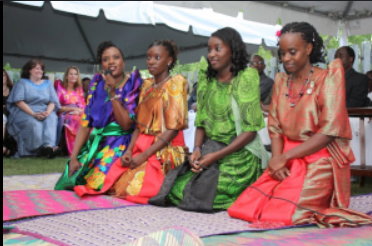
Baganda society is historically hierarchical and deeply respectful of authority and age. Etiquette, known as mpisa, is paramount. Greetings are elaborate and essential; a younger person will always kneel or bow slightly when greeting an elder as a sign of respect. Communication is often indirect and polite, valuing harmony and avoiding confrontation.
The traditional way of living was agrarian, revolving around the cultivation of matooke (green bananas), coffee, and other crops. The homestead, or eka, was a self-sufficient unit. A typical traditional home was built with wattle and daub, topped with a thick thatched roof. The compound included separate houses for the husband, wives, and children, often arranged around a central courtyard. While modernity has altered much of this, the cultural emphasis on family, hospitality, and communal living remains strong. The concept of obuvvanuko (good manners and dignity) guides social interactions, emphasizing generosity, wisdom, and composure.
The Sacred Union: Marriage Customs
Marriage, or okwanjula, is not just a union between two individuals but an alliance between two clans. The process is elaborate and formal. It begins with the introduction ceremony, arguably the most important cultural rite of passage after birth and death. The groom, accompanied by his family and clan elders, formally visits the bride’s family to ask for her hand.
This ceremony is rich in symbolism, ritual, and playful negotiation. The groom’s family brings gifts, and through a designated spokesperson, they eloquently state their purpose. The bride’s family, also through a spokesperson, tests their sincerity and commitment. The ceremony involves sharing food, particularly matooke, and a symbolic payment of bride wealth, which is not a purchase price but a token of gratitude and commitment. Once accepted, the families celebrate together, cementing the new bonds between them.
The Art of Cooking: A Feast of Matooke
The culinary heart of the Baganda is matooke. This is not merely food; it is a cultural icon. These green cooking bananas are peeled, wrapped in their leaves, and steamed for several hours until they achieve a soft, mashed-potato-like consistency. The resulting dish, also called matooke, is often served with a sauce, such as luwombo.
Luwombo is a culinary masterpiece unique to the Baganda. It involves stewing meat, chicken, or groundnuts in a peanut sauce, which is then wrapped in a banana leaf pouch and steamed. This cooking method infuses the ingredients with a smoky, earthy flavour that is unforgettable. A typical Baganda meal is a communal affair, often eaten from shared plates, reinforcing family bonds.
The Meaning in a Name: Way of Naming
Names in Baganda culture carry profound significance and are never given arbitrarily. A child’s name can reflect the circumstances of their birth (e.g., Kayiwa for a twin), the time or day they were born (e.g., Lwanga for a boy born on Wednesday), or a specific clan name. Often, names are sentences or statements that convey a message, a hope, or a reflection of the parents’ situation at the time of the child’s birth. For example, Nakato is a name given to a female twin, while Wasswa is given to the male twin. This practice ensures that every name tells a story, connecting the individual to their family’s history and experiences.
Elegance and Identity: Way of Dressing
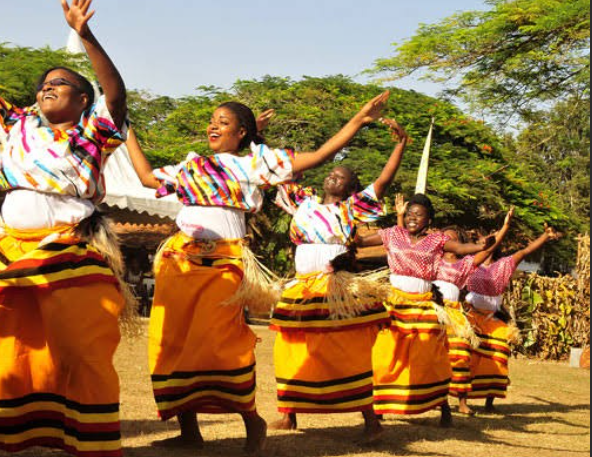
Traditional Baganda attire is a symbol of elegance and cultural pride. For men, the signature garment is the Kanzu. This is a long, white robe, typically made from cotton or silk, reaching down to the ankles. It is often worn over trousers and is considered formal wear for important ceremonies and events. Women traditionally wear the Gomesi (or Busuuti), a beautiful, floor-length dress with a square neckline, puffed sleeves, and a distinctive sash tied around the waist. The Gomesi is made from brightly coloured fabric, often with bold patterns and a lustrous sheen. It is a garment of great dignity and beauty, worn with pride at weddings, introductions, and cultural gatherings.
A Living Culture
The Baganda culture in Uganda is a dynamic and resilient force. Despite the pressures of colonialism, political upheaval, and globalization, it has adeptly preserved its core identity while adapting to the modern world. The restoration of the kingdom’s cultural institutions in 1993 revitalized pride in the language, Luganda, and customs. From the solemn respect for the Kabaka to the joyous celebrations of a marriage introduction, from the shared meal of matooke and luwombo to the elegant drape of a Gomesi, the culture offers a profound sense of belonging and continuity. It stands as a testament to the sophistication of pre-colonial African societies and remains an indispensable thread in the fabric of Ugandan national identity.